Kettal reintroduces Shogun by Verner Panton, marking the centenary of the designer’s birth
Kettal, in close collaboration with Verner Panton Design AG presents Shogun, a distinctive furniture design by Verner Panton, originally conceived in 1994–1995 and now reissued to coincide with the centenary of the designer’s birth. Reintroducing a design that reveals a different facet of Panton’s creative universe, the piece reflects his enduring vision: design as an immersive experience shaped by geometry, movement, and human interaction.
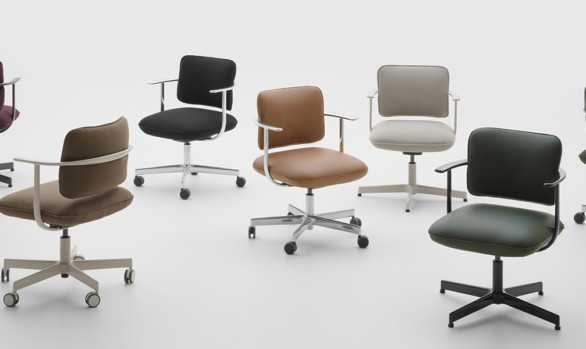
Originally developed in collaboration with Danish manufacturer Erik Jørgensen, Shogun was conceived as a chair and stool. Kettal’s reissue focuses on the armchair, highlighting its sculptural clarity and versatility within contemporary interiors. Rooted in the cylinder—one of Panton’s most essential geometric forms—the design balances precision and play, combining clean lines with a subtle sense of dynamism. Seen from above, the chair also reveals another geometric theme often explored by Panton: the combination of two semi-circles forming the shell of the seat and backrest. Equipped with castors, the chair moves effortlessly through space, reflecting Panton’s interest in flexibility and his rejection of static seating positions.
The name Shogun draws inspiration from the iconic 1980s television series, itself based on James Clavell’s novel, hinting at a cultural cross-pollination that resonates with Panton’s experimental spirit.
True to his process, Panton explored multiple materials before arriving at different structural possibilities. Kettal reinterprets this approach with a refined selection of contemporary finishes: the chair is available with a polymer frame or in wood, offered in oak or lacquered finishes that reveal the natural grain. The seat is upholstered in either leather or fabric, combining comfort with a rich tactile quality.
While more geometric in expression than Panton’s earlier, fluid designs of the 1960s, Shogun carries his unmistakable signature. Its clarity of form, confident presence, and emphasis on movement embody his belief that design should engage both body and imagination.
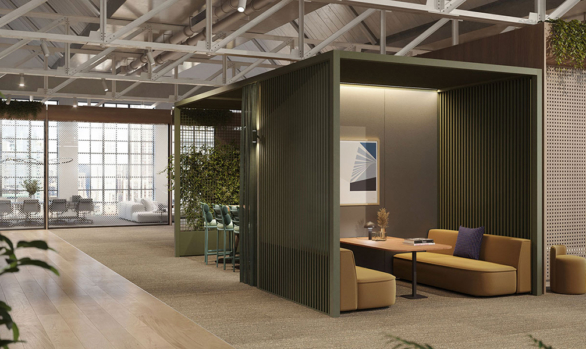
Today, Kettal reintroduces Shogun for a new generation of spaces. The design integrates seamlessly into a wide range of interior settings—from collaborative workplaces to hospitality environments—where flexibility, identity, and comfort converge. It reflects a shift toward more dynamic and expressive interiors, where furniture plays an active role in shaping experience

Menu
kettal Shogun Design by Verner Panton 2026 (originally conceived in 1994–1995)