8 mei 2019
CECCOTTI COLLEZIONI grand diner
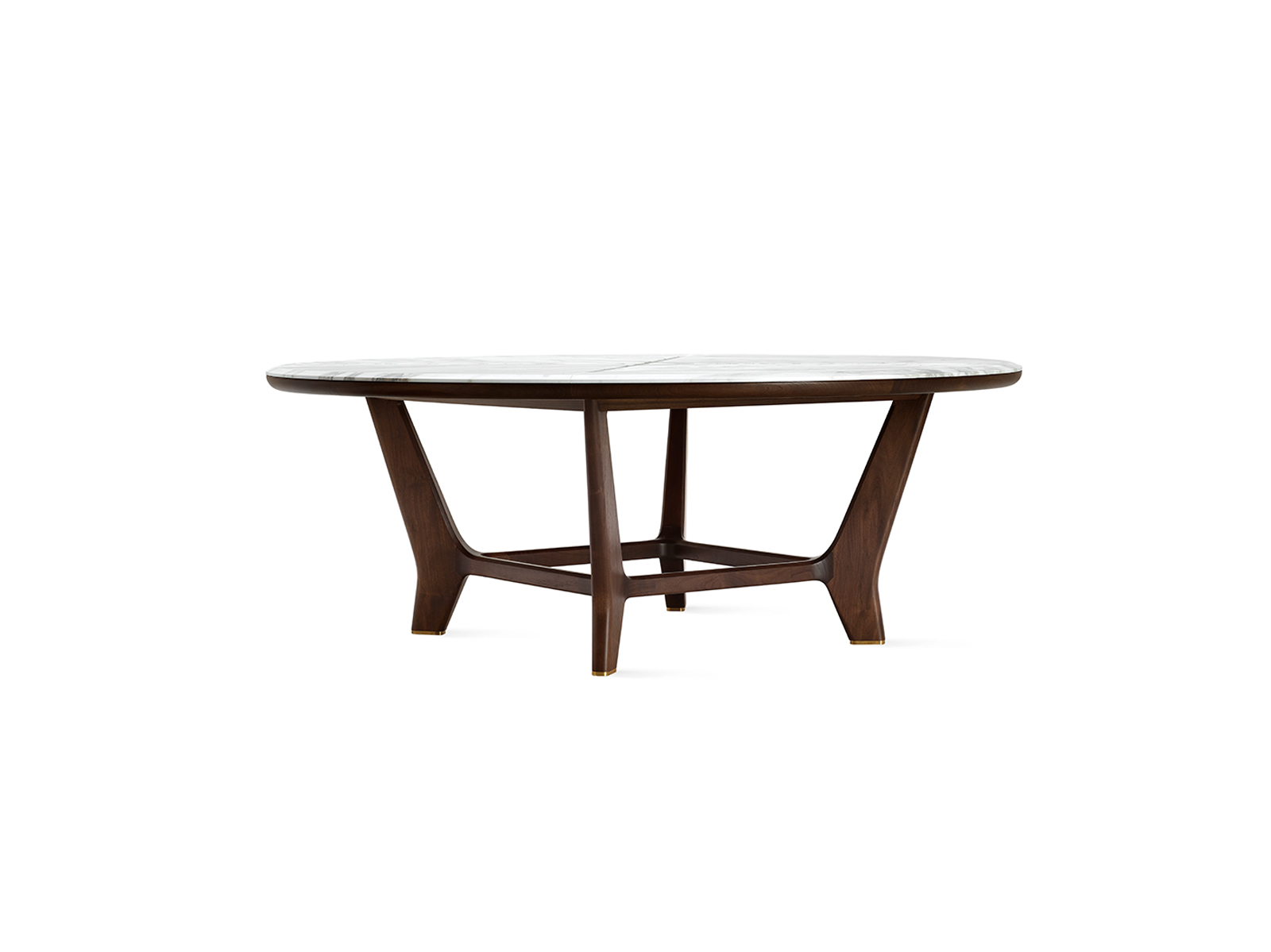
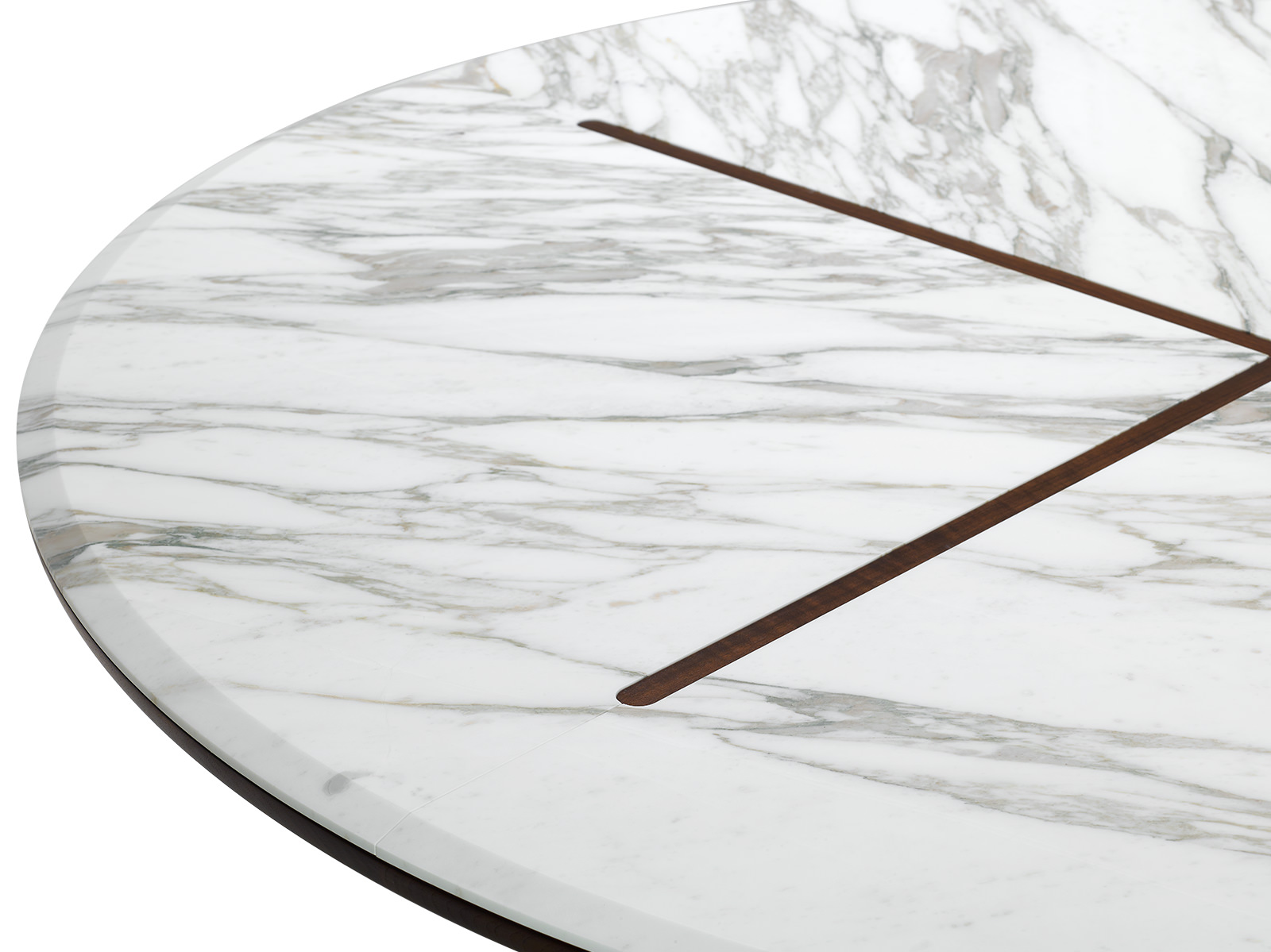
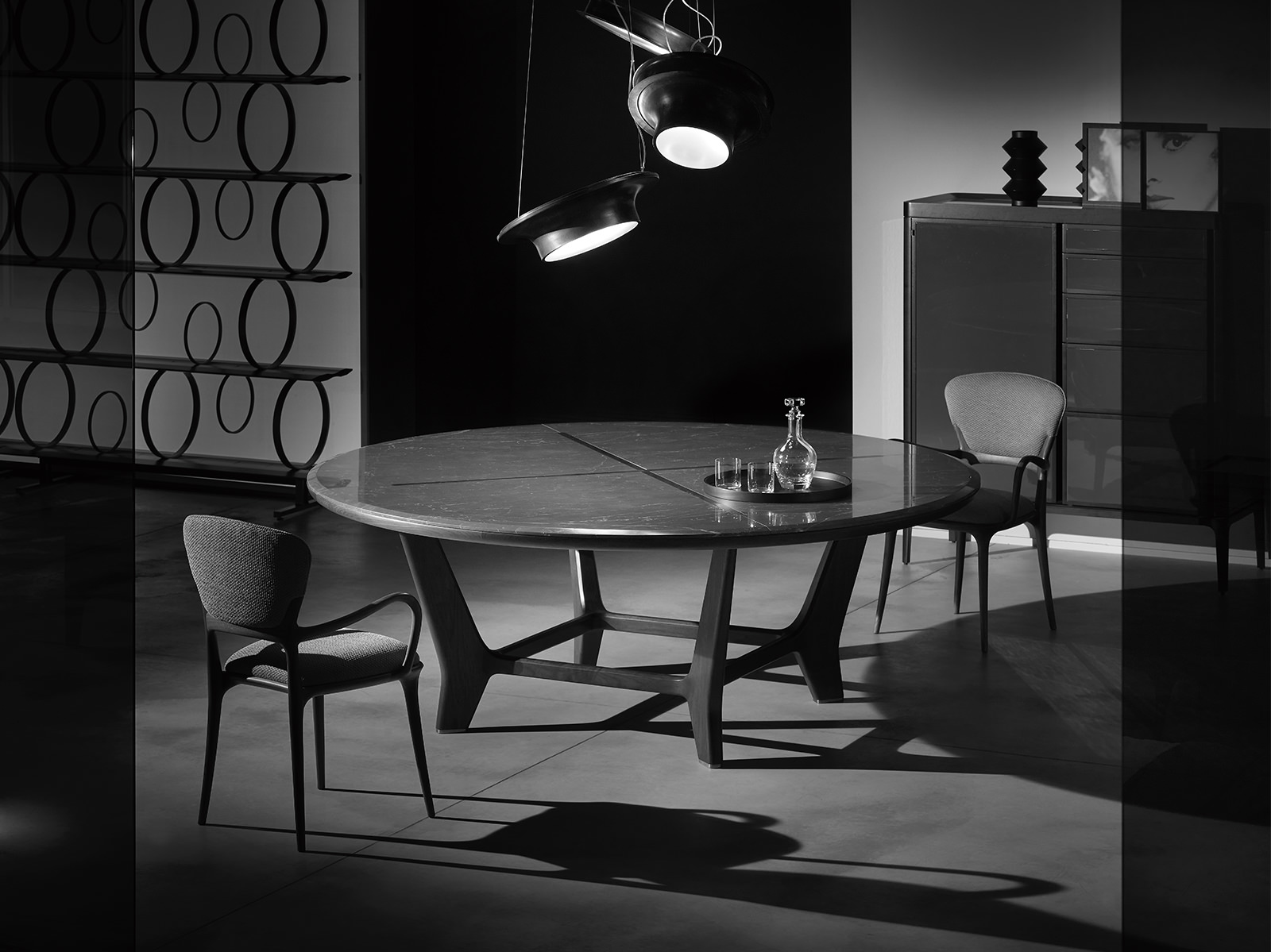
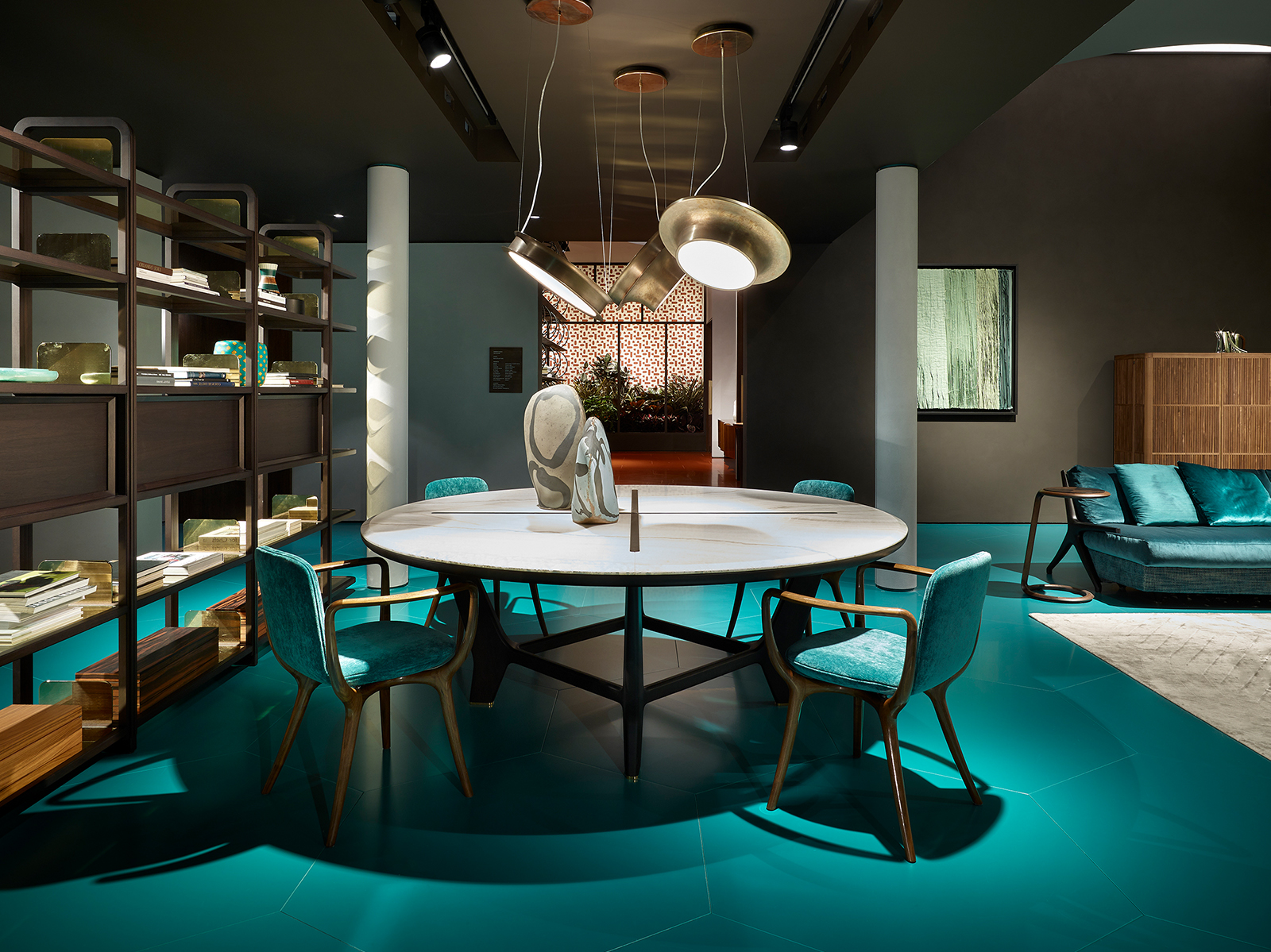
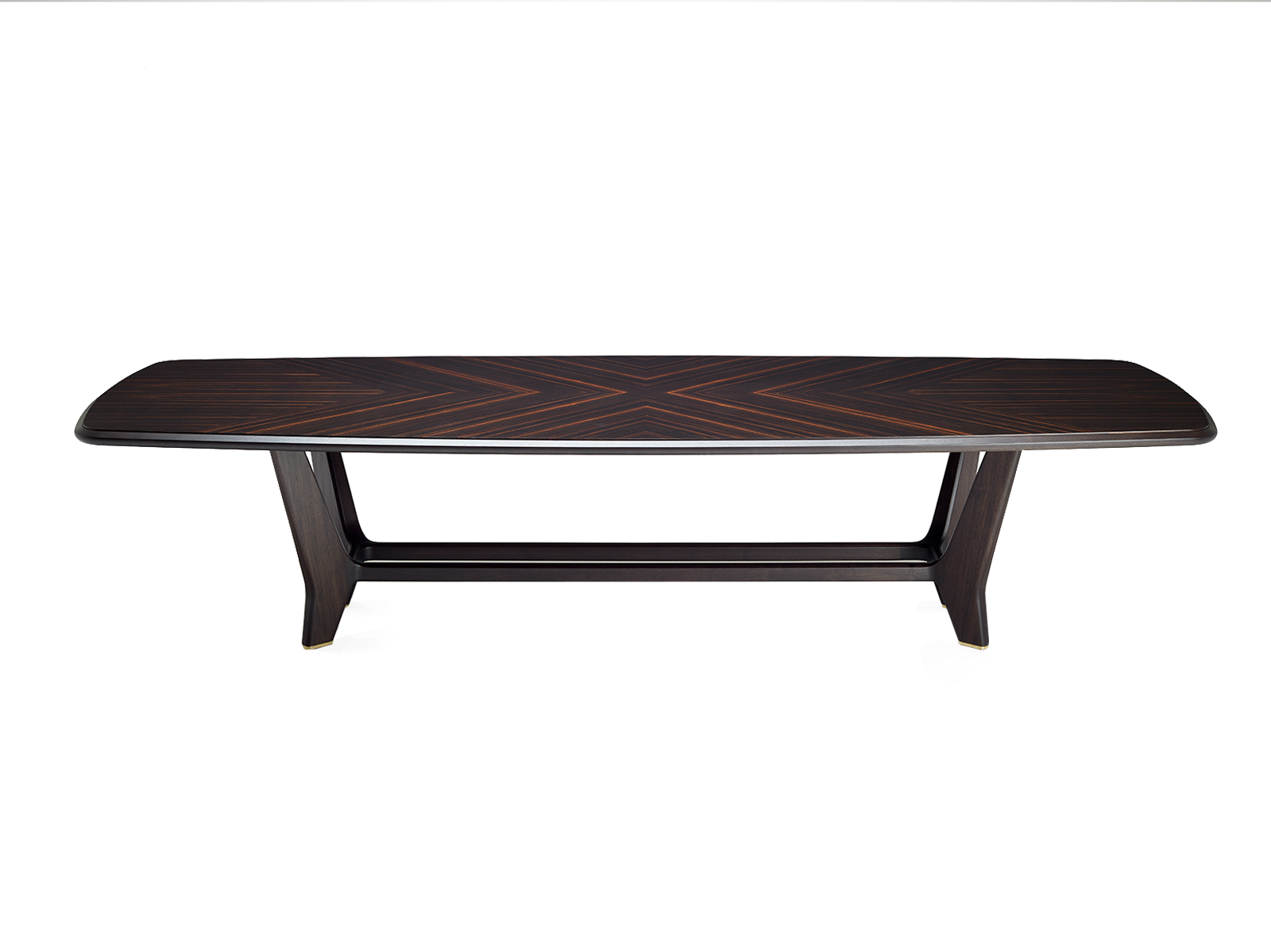
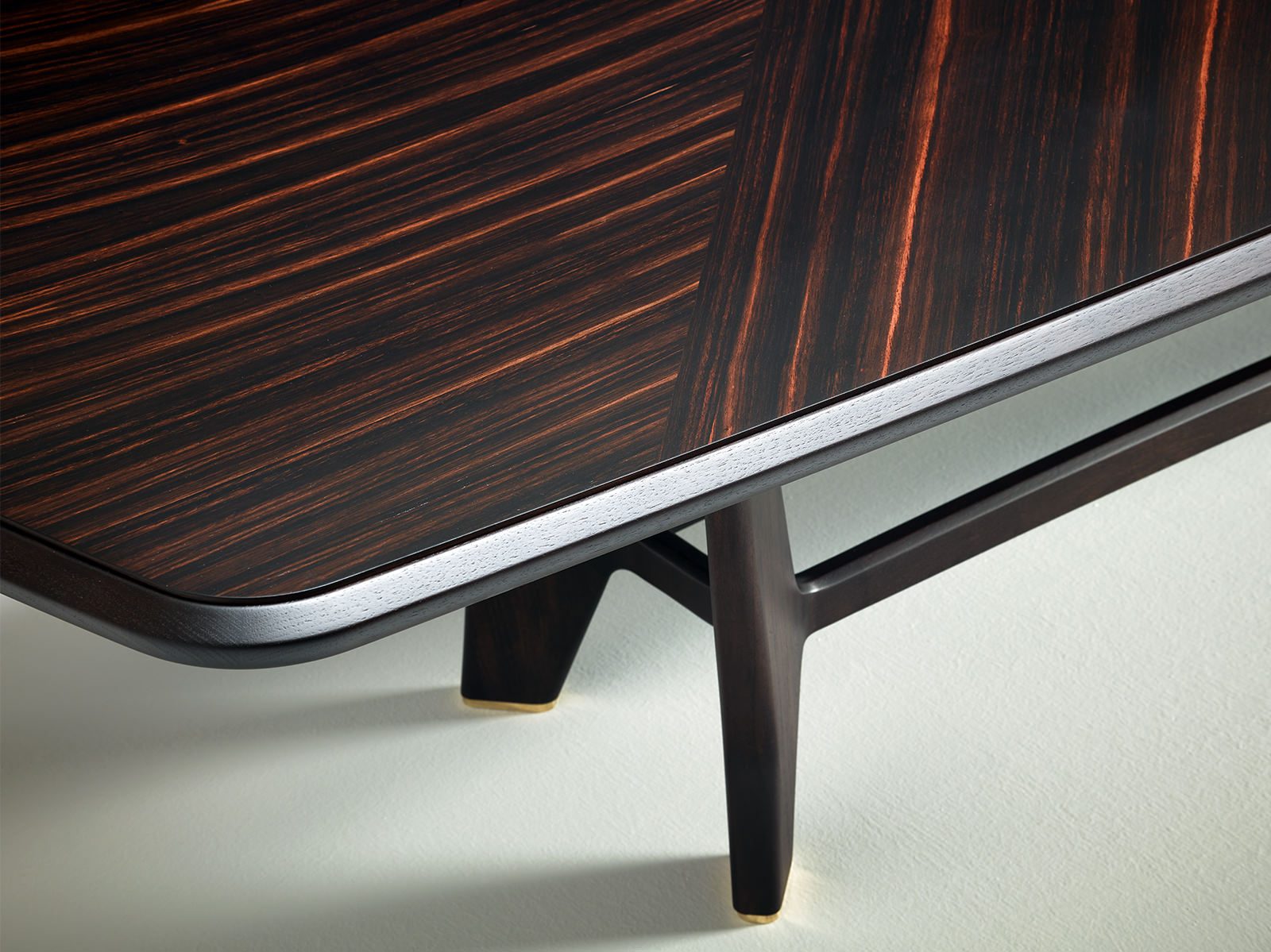
Round or oval table with structure made in solid American walnut, leg tips in brass, top in marble or wood.

Round or oval table with structure made in solid American walnut, leg tips in brass, top in marble or wood.
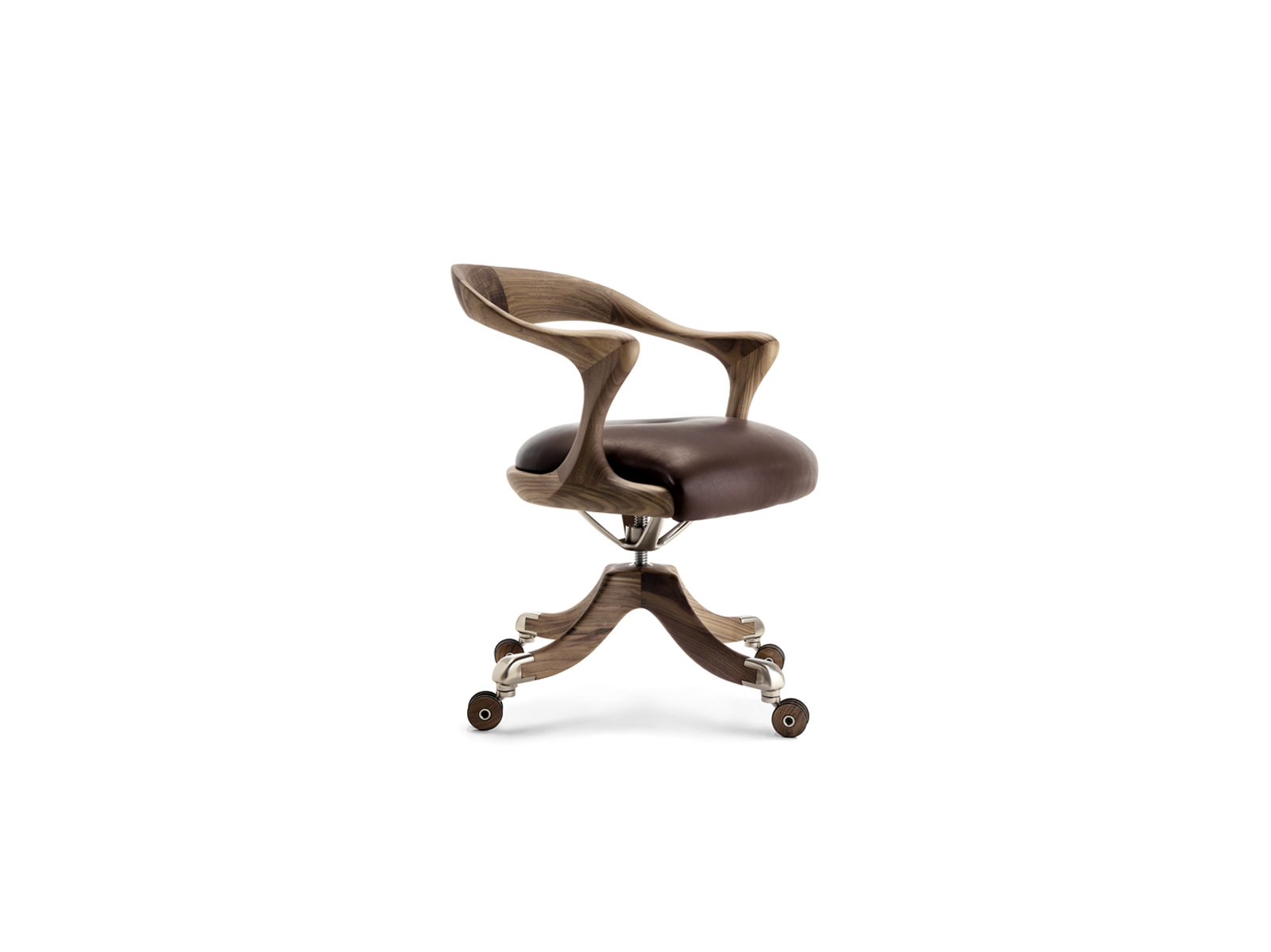
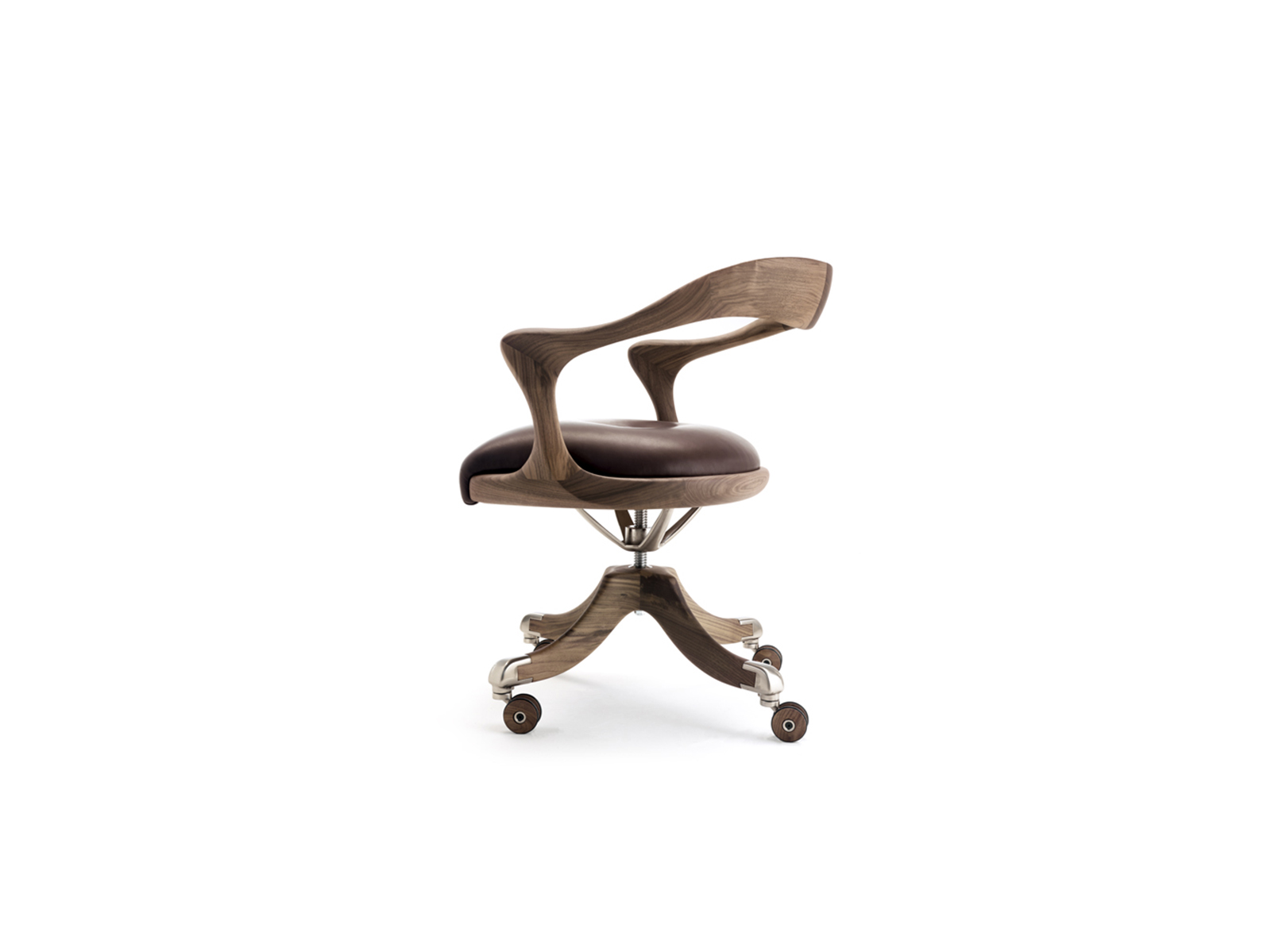
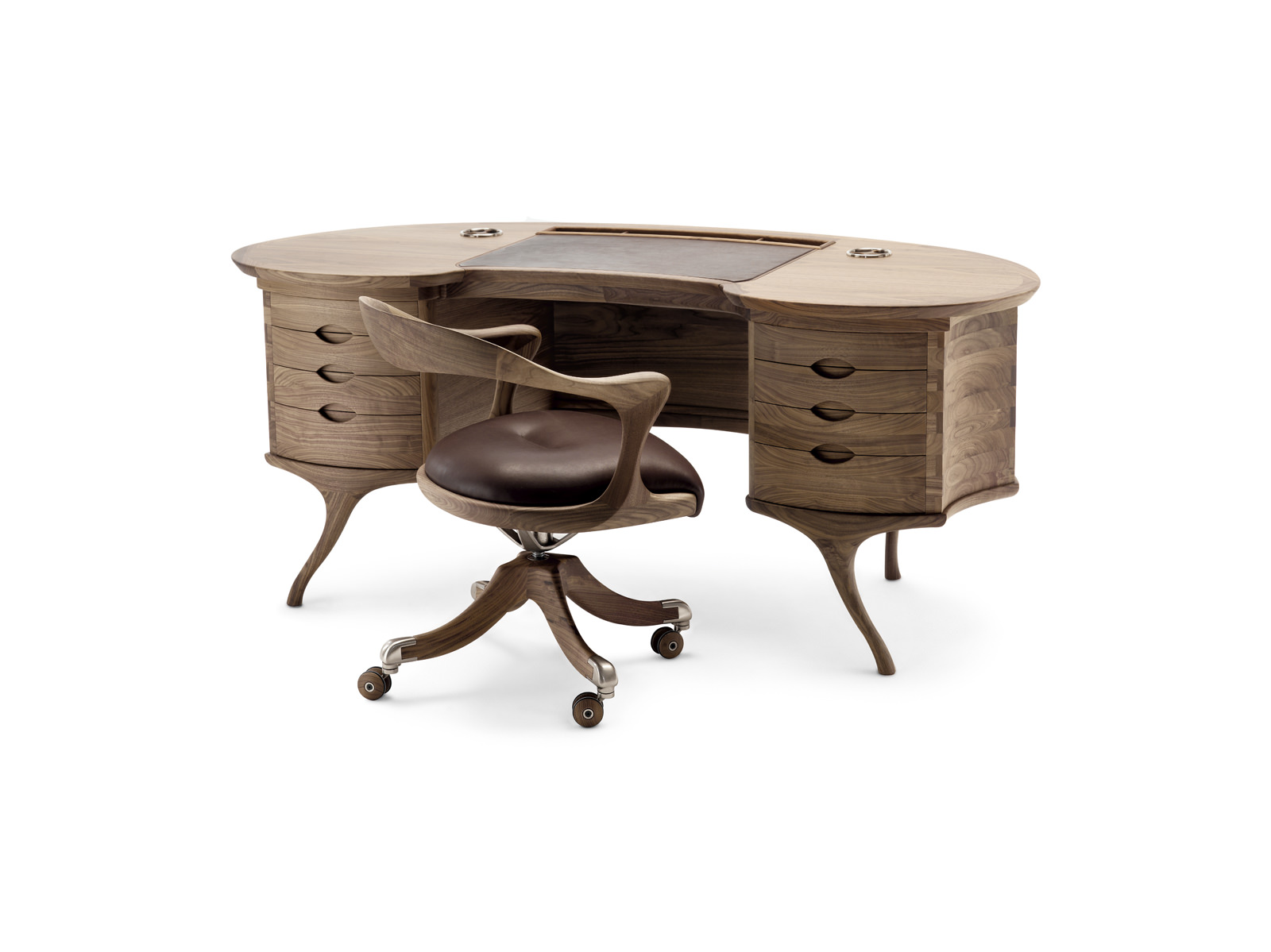
Swivel armchair made in solid American walnut, upholstered plywood seat, 4 star base with brass feet and swivel wooden castors.
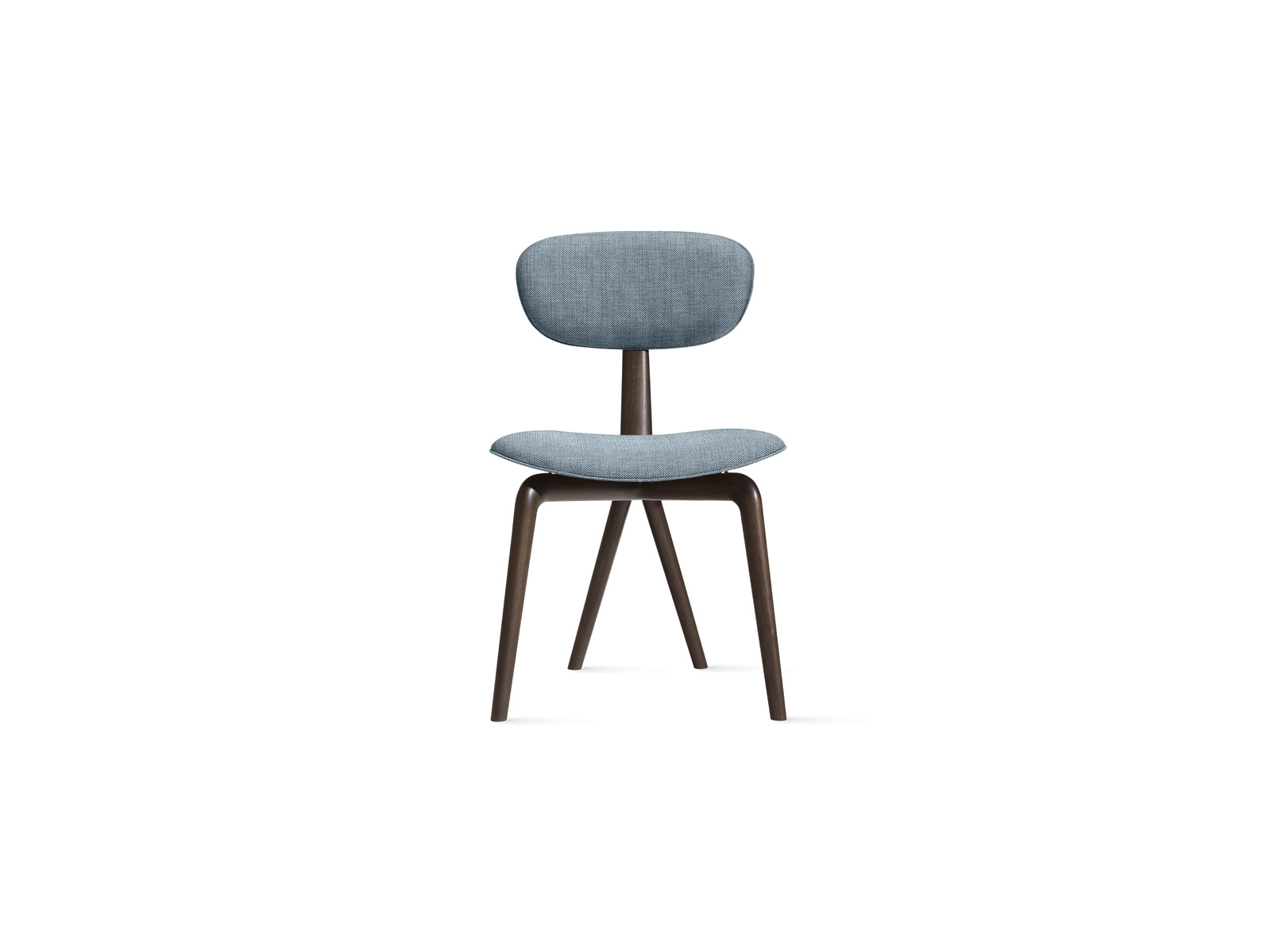
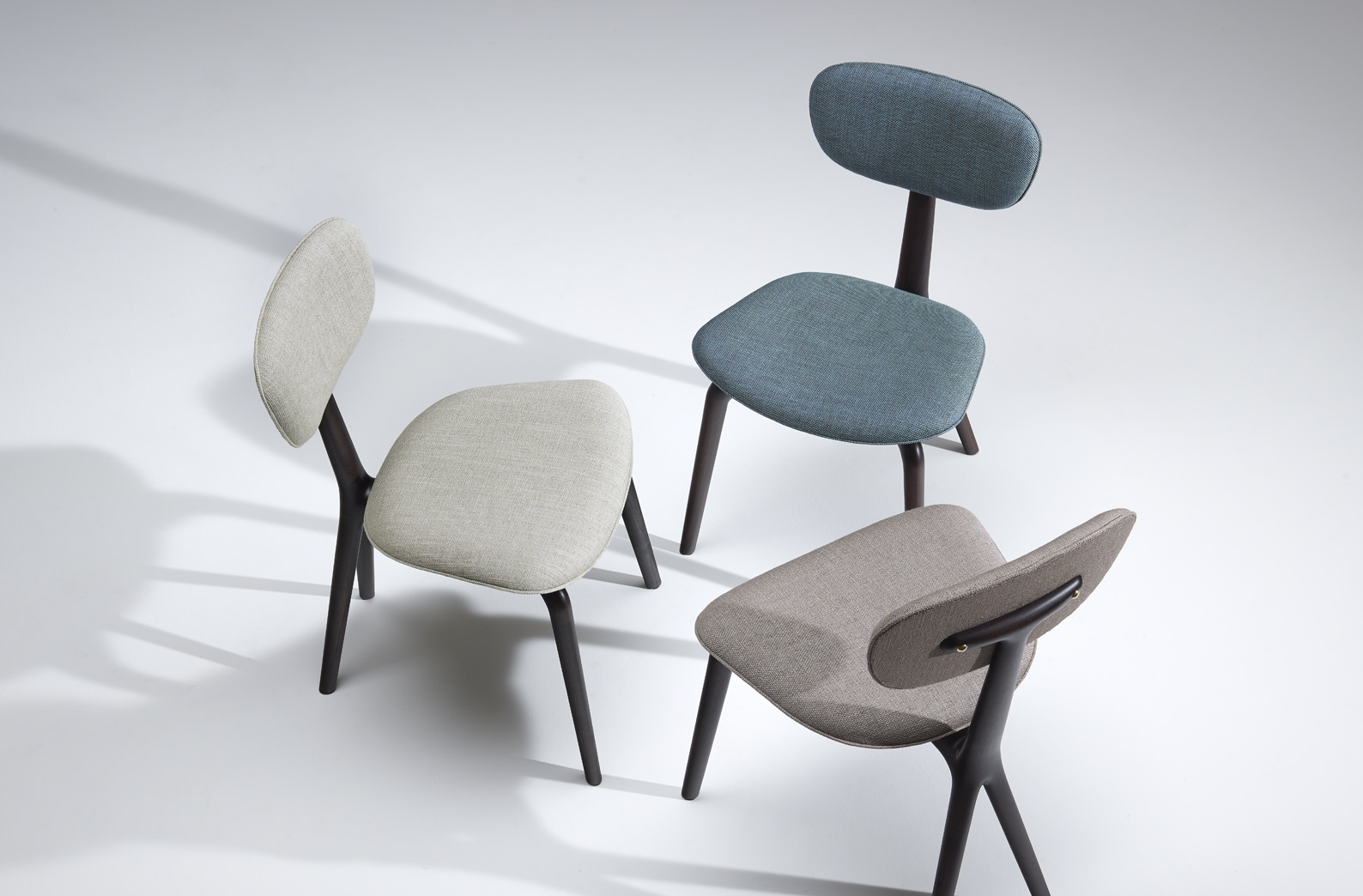
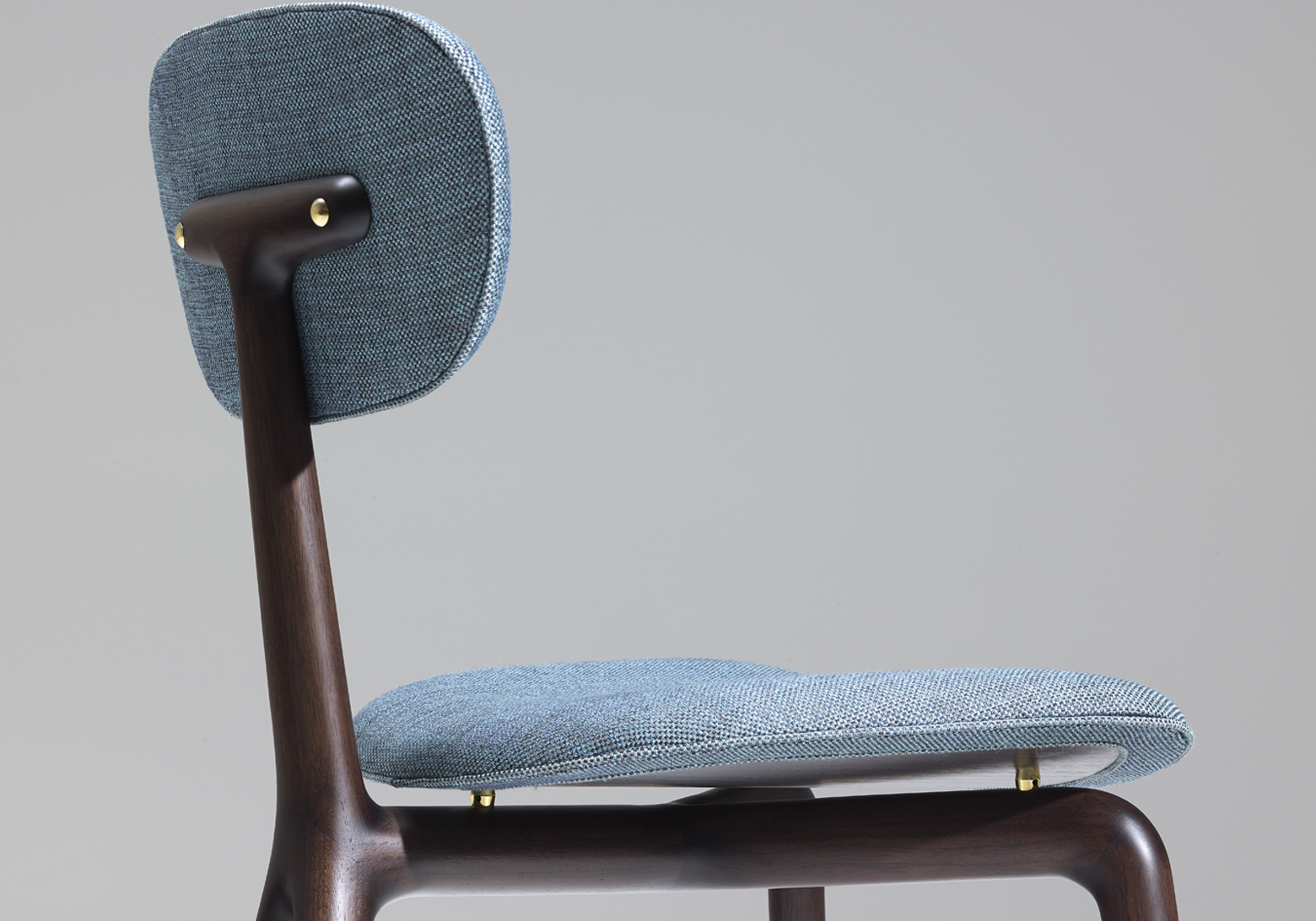
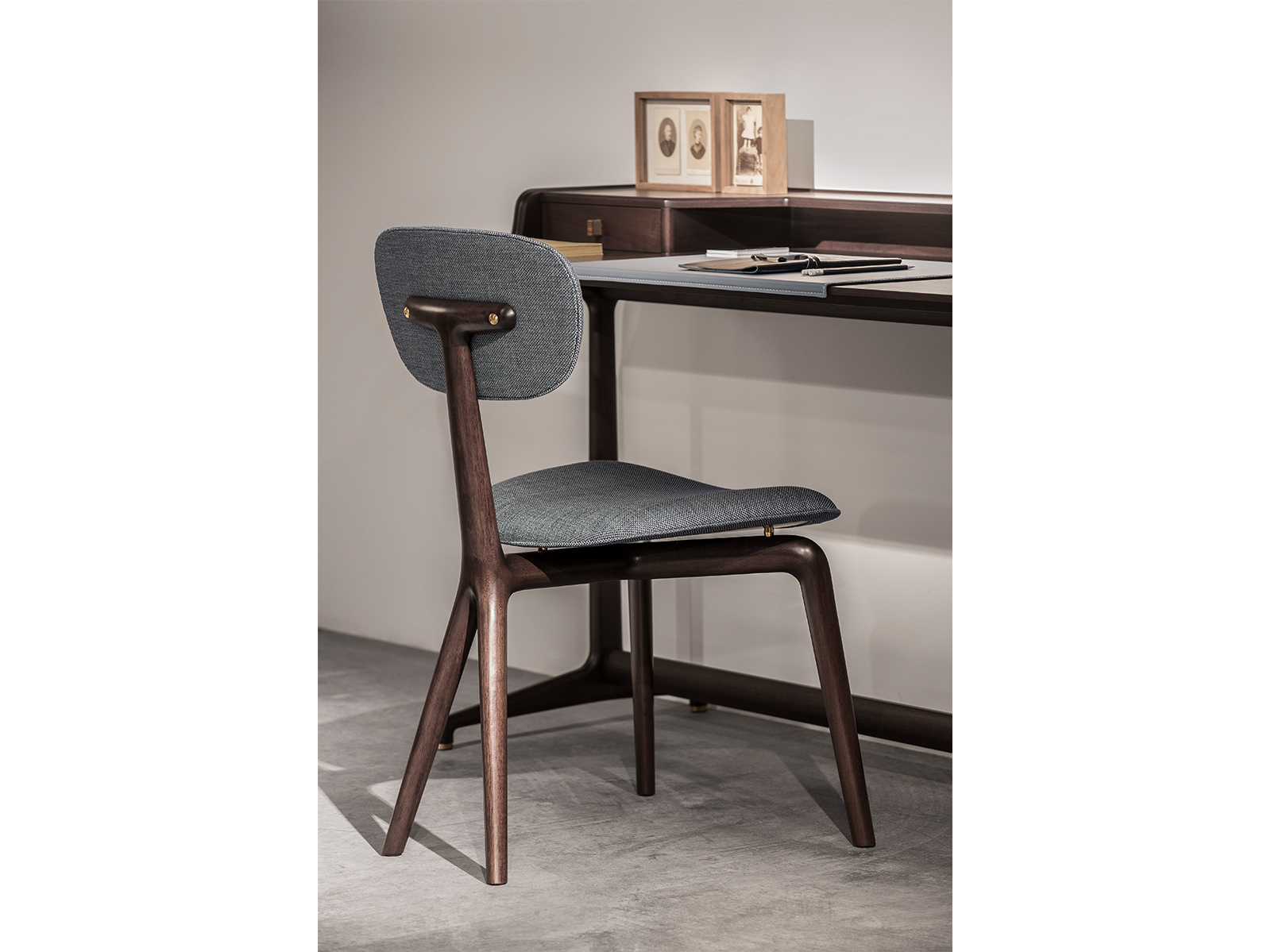
Chair made in solid American walnut or ash, seat and back-rest in upholstered curved plywood.
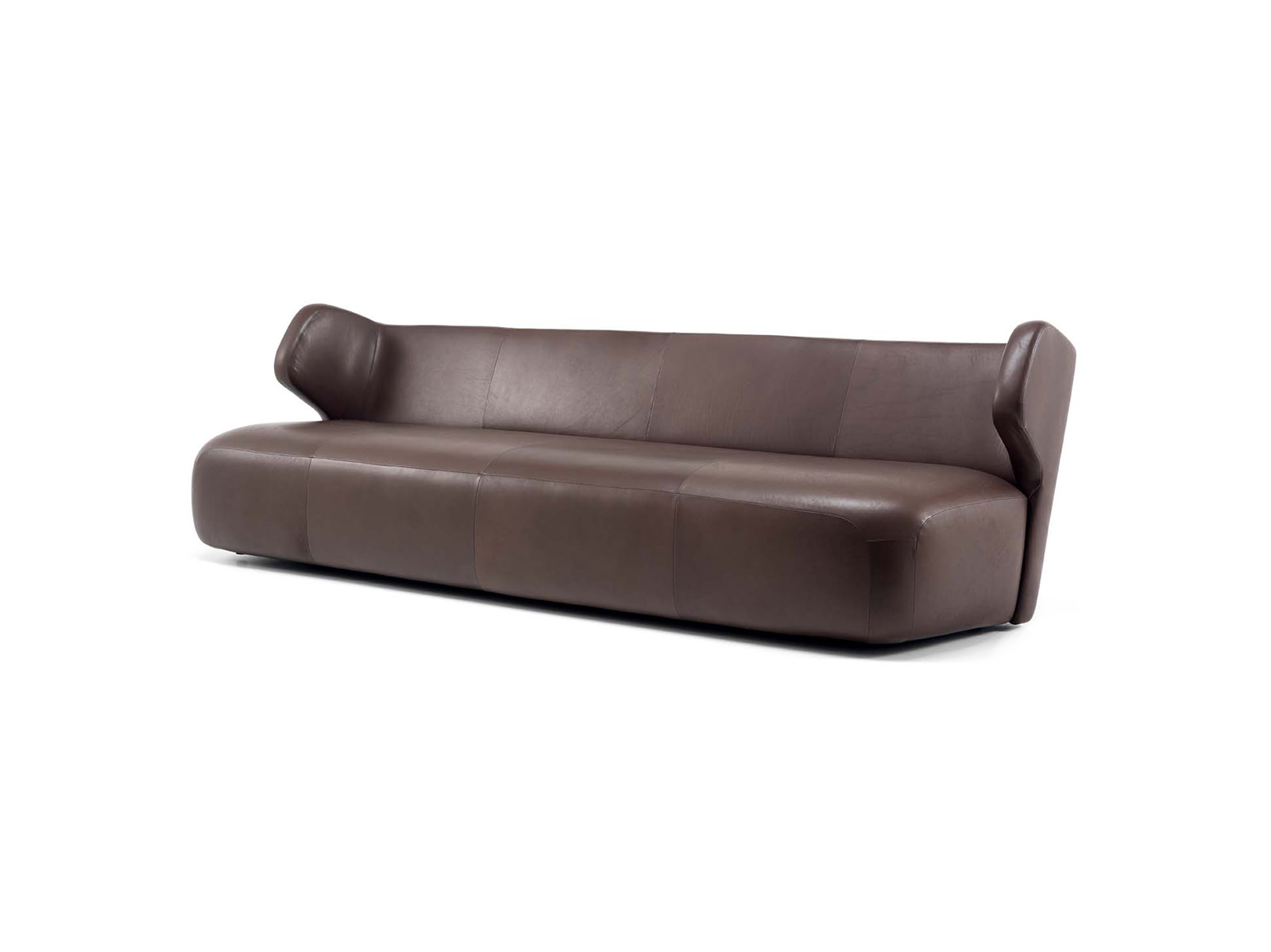
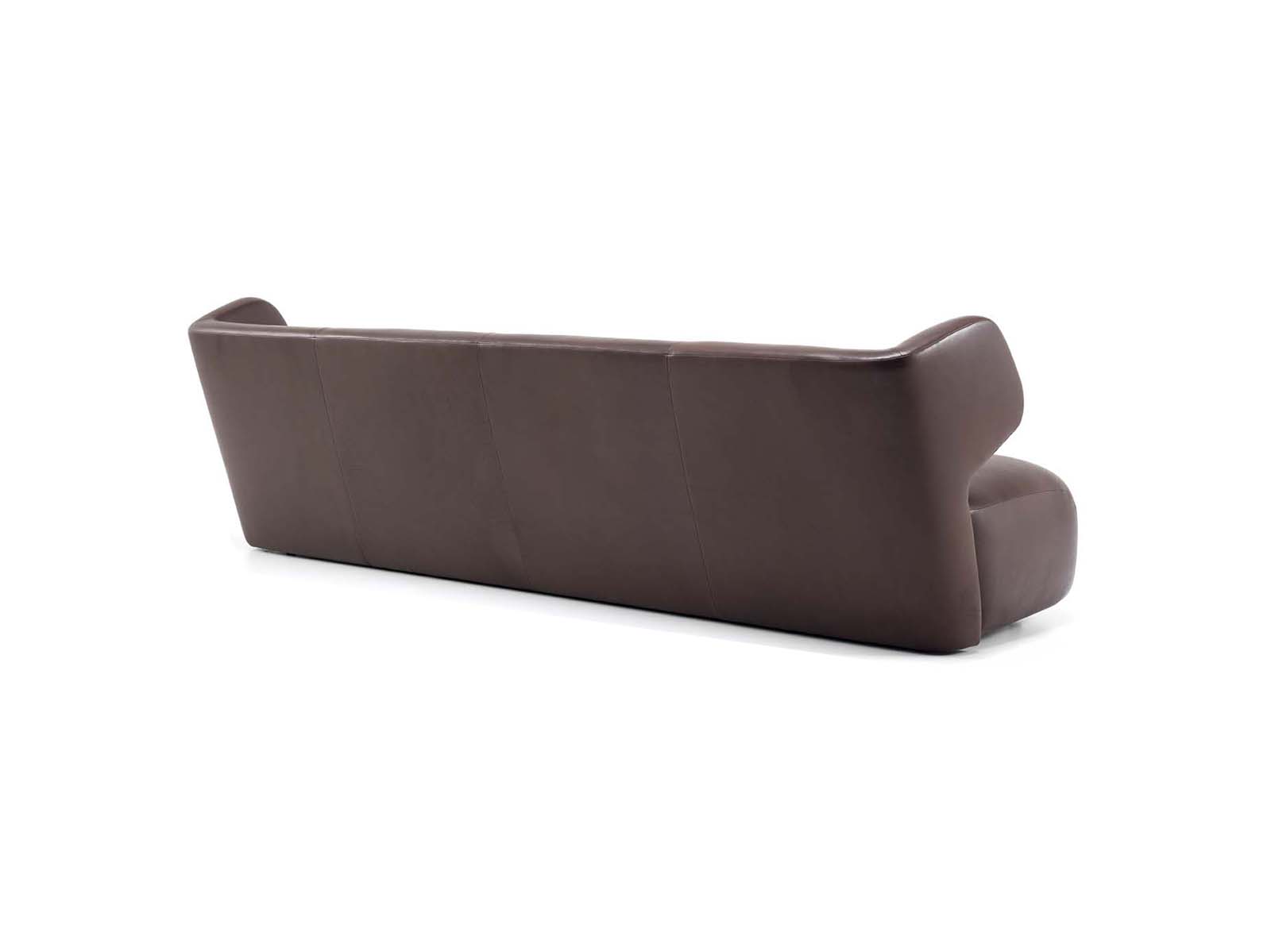
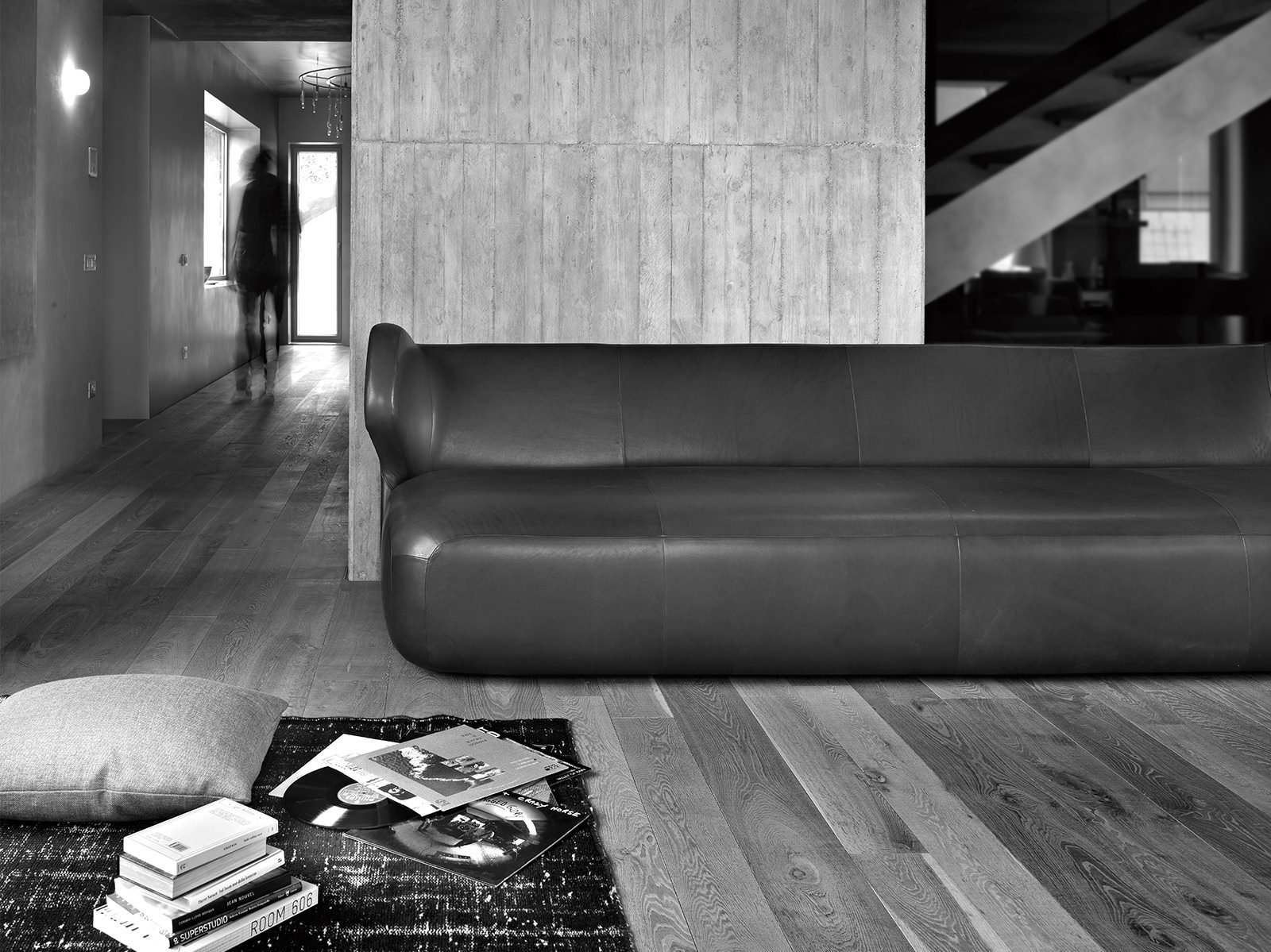
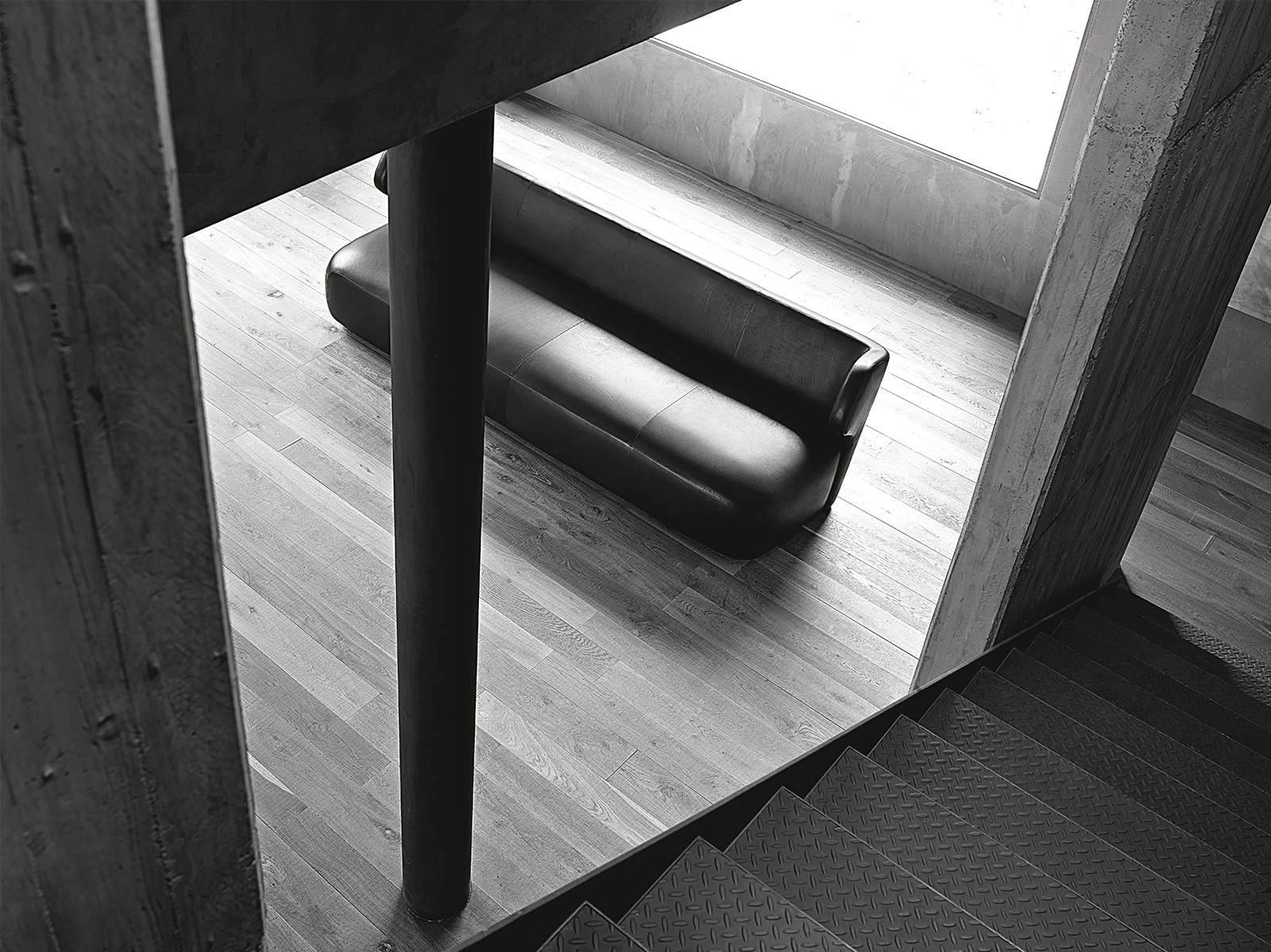
Chaise longue, pouf and sofas with base in solid wood and back-rest in curved plywood, covered with non-deformable polyurethane foam of various densities, protective cover in polyester fiber, seat with straps, non-removable covering.
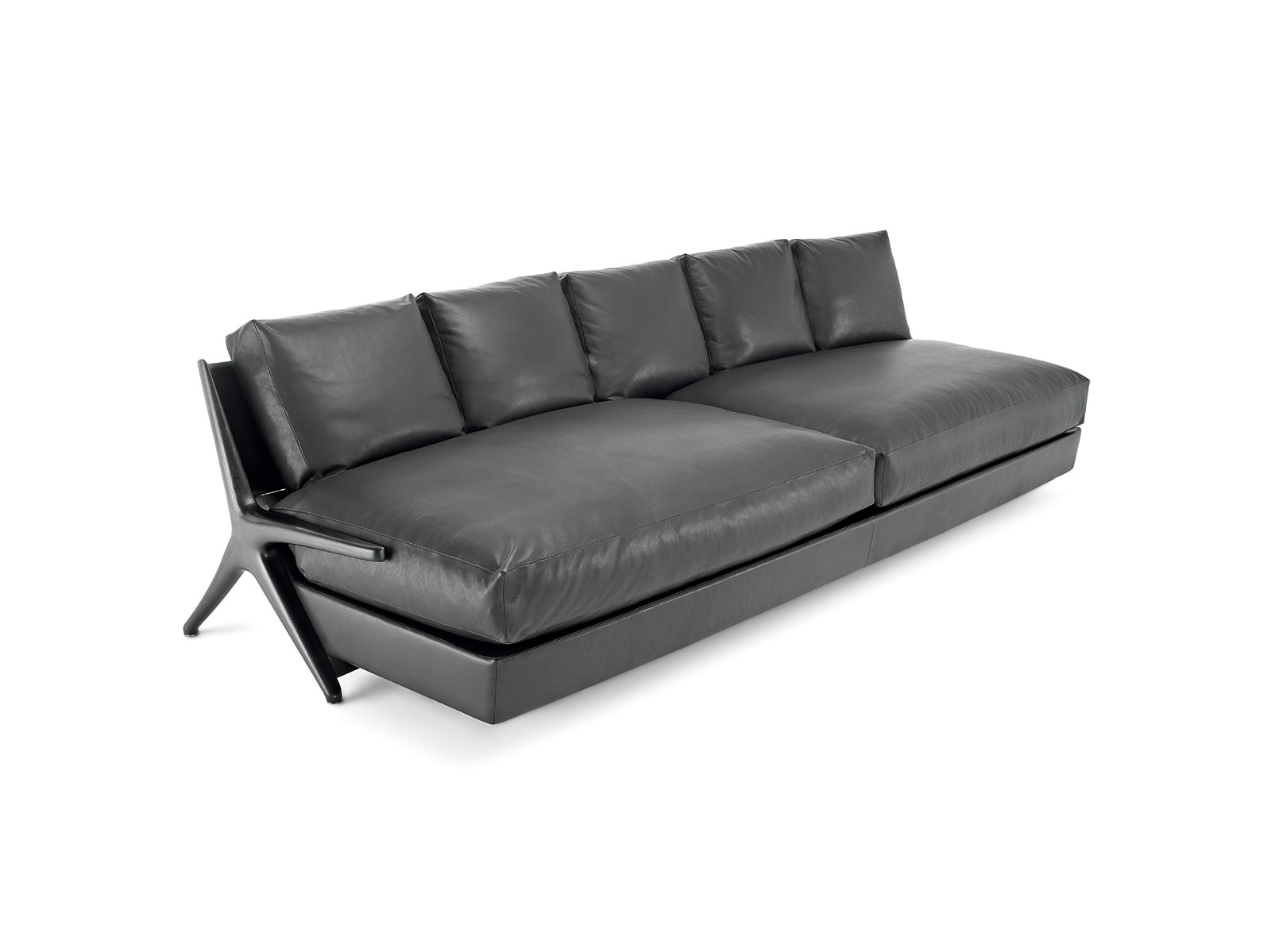
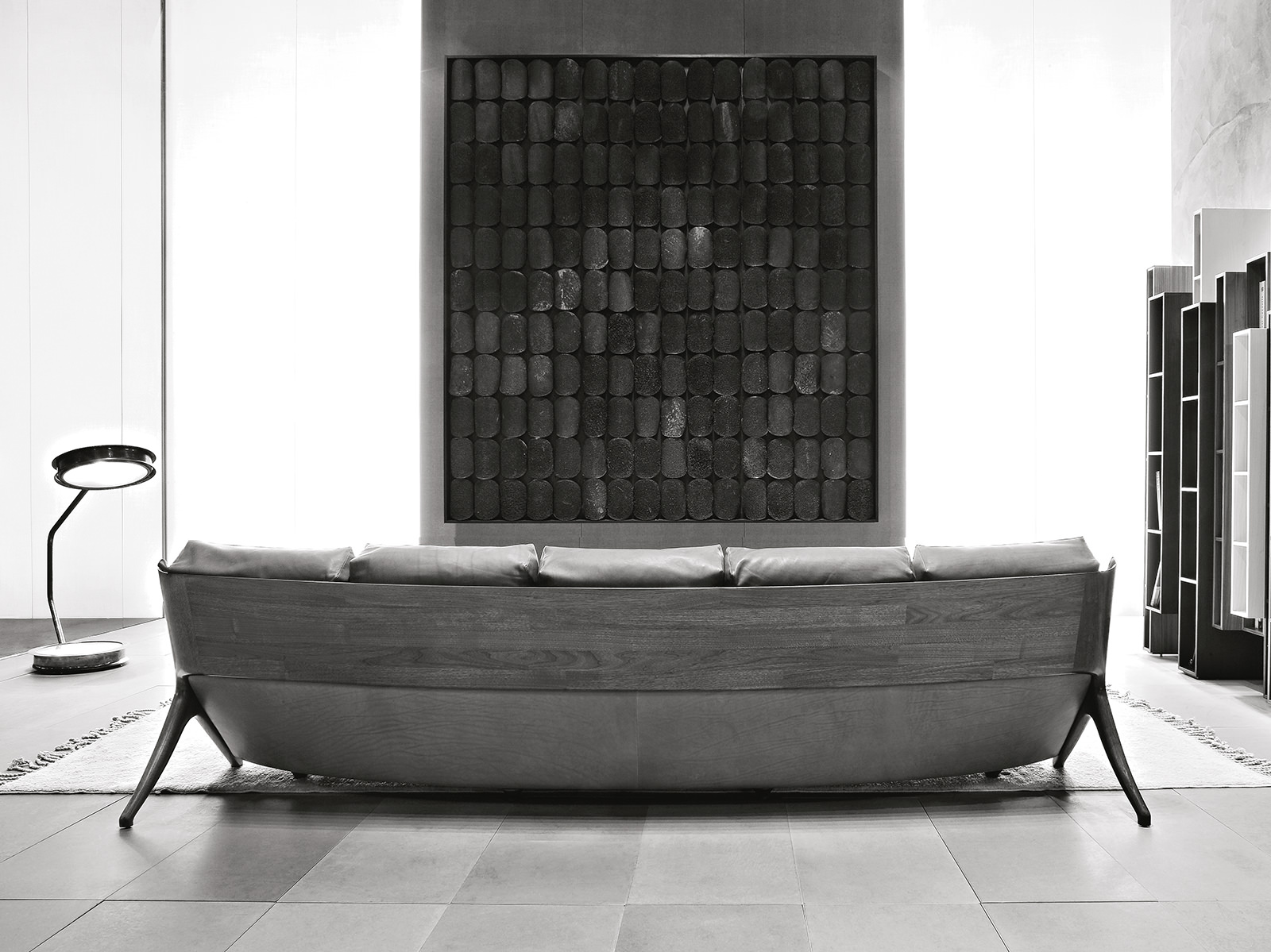
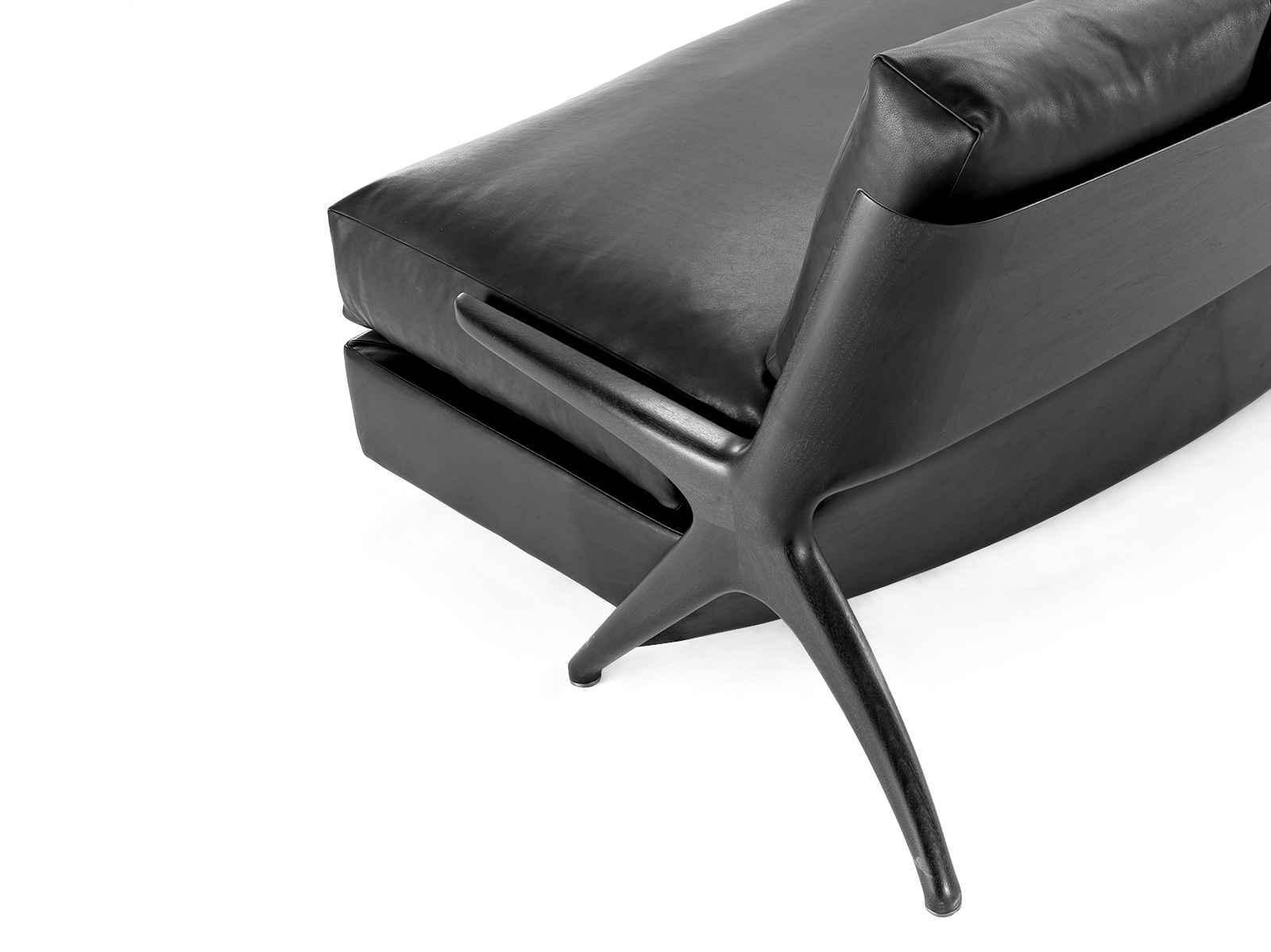
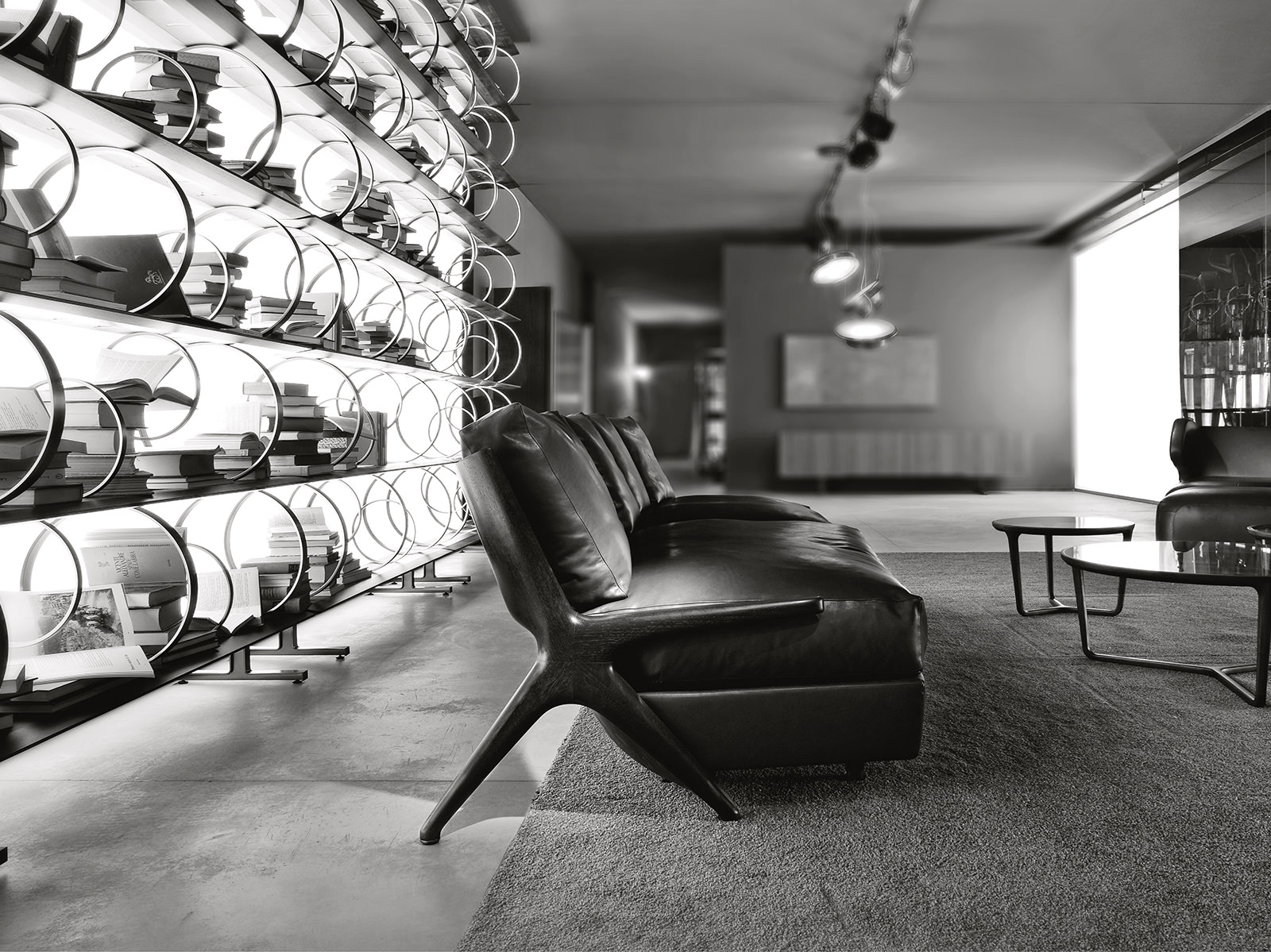
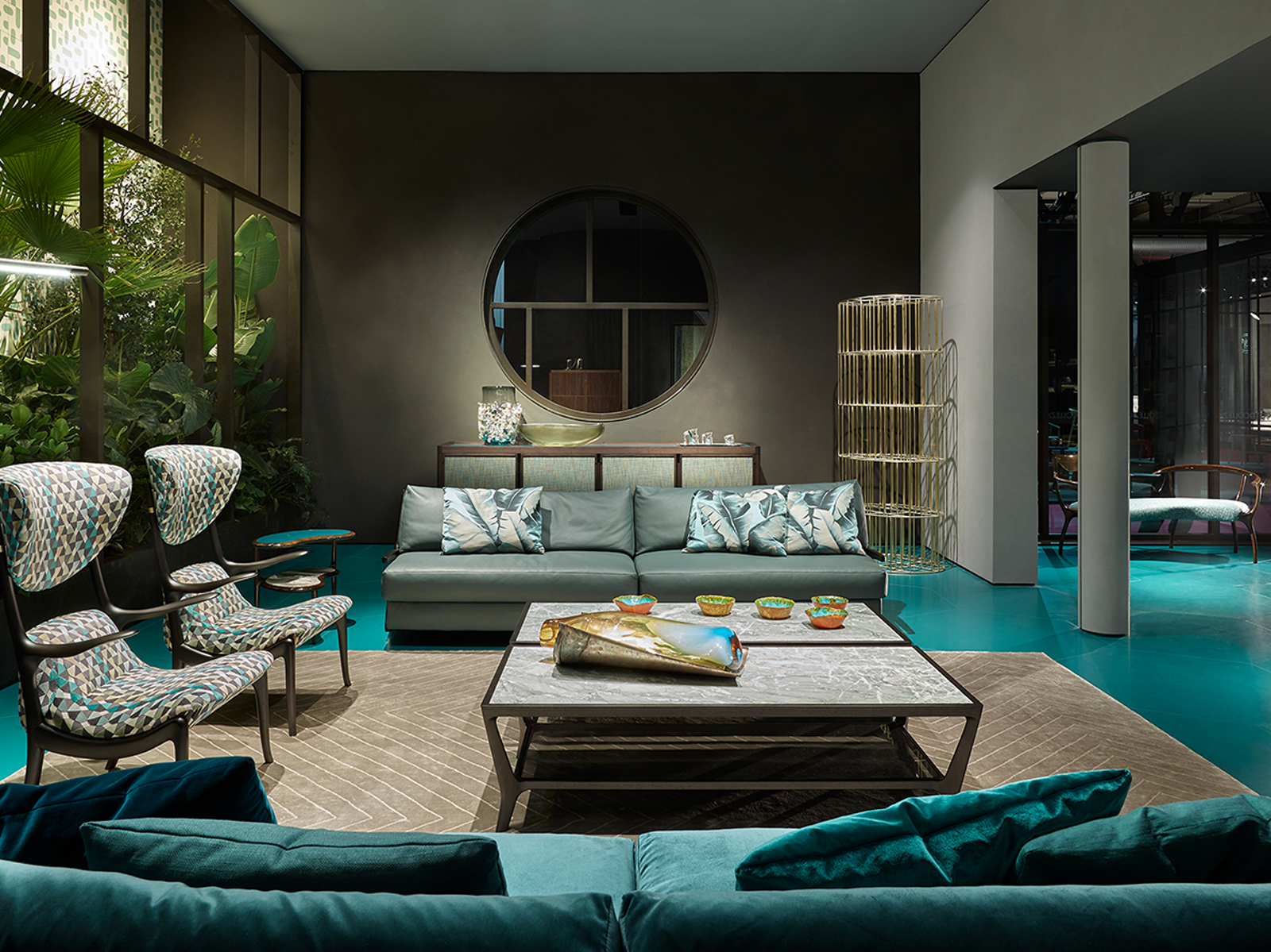
Sofa made in solid American walnut, body in poplar plywood covered in polyurethane foam of various densities; seat cushions in foam with upper layer in down, back cushions in down.
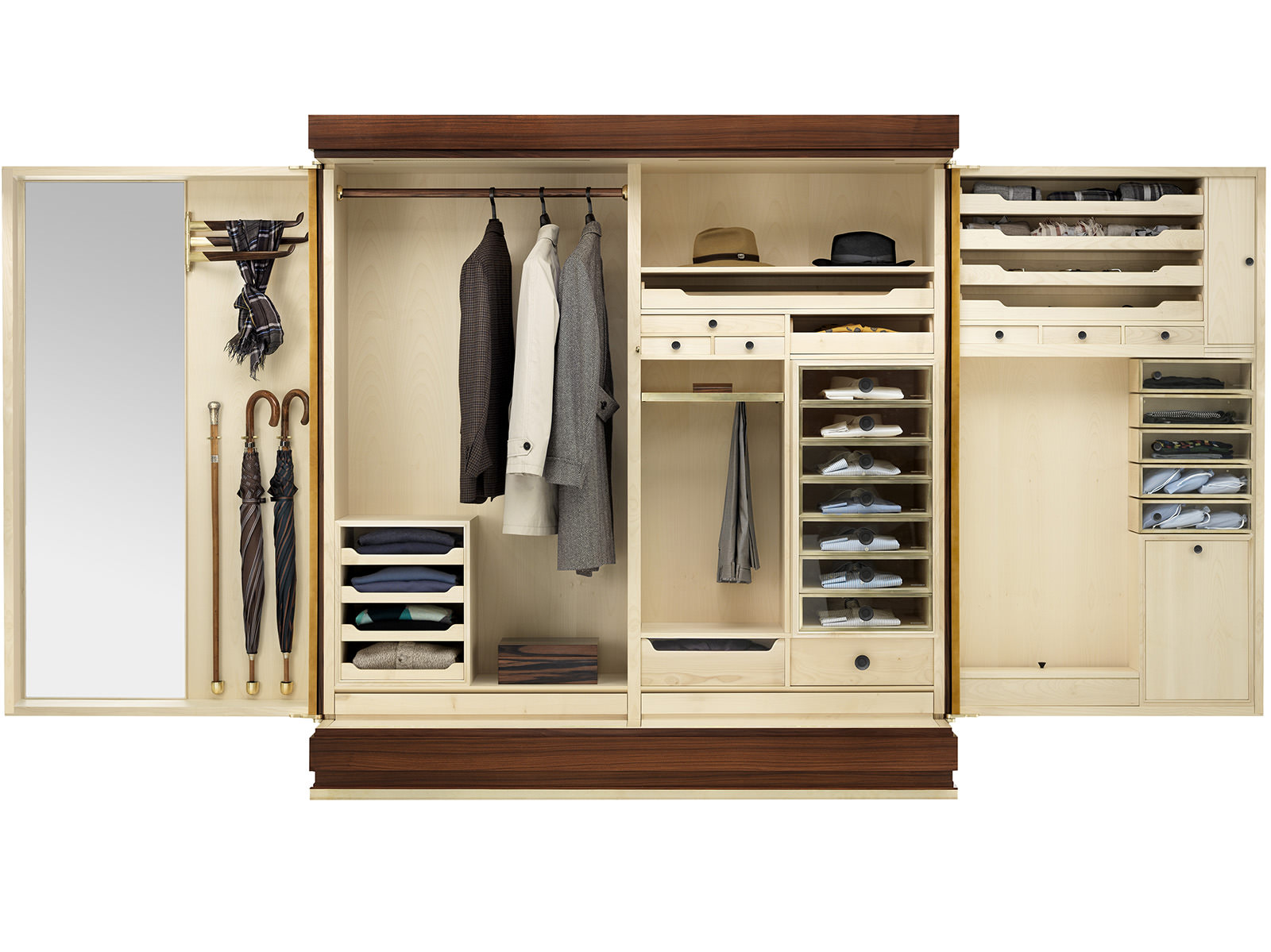
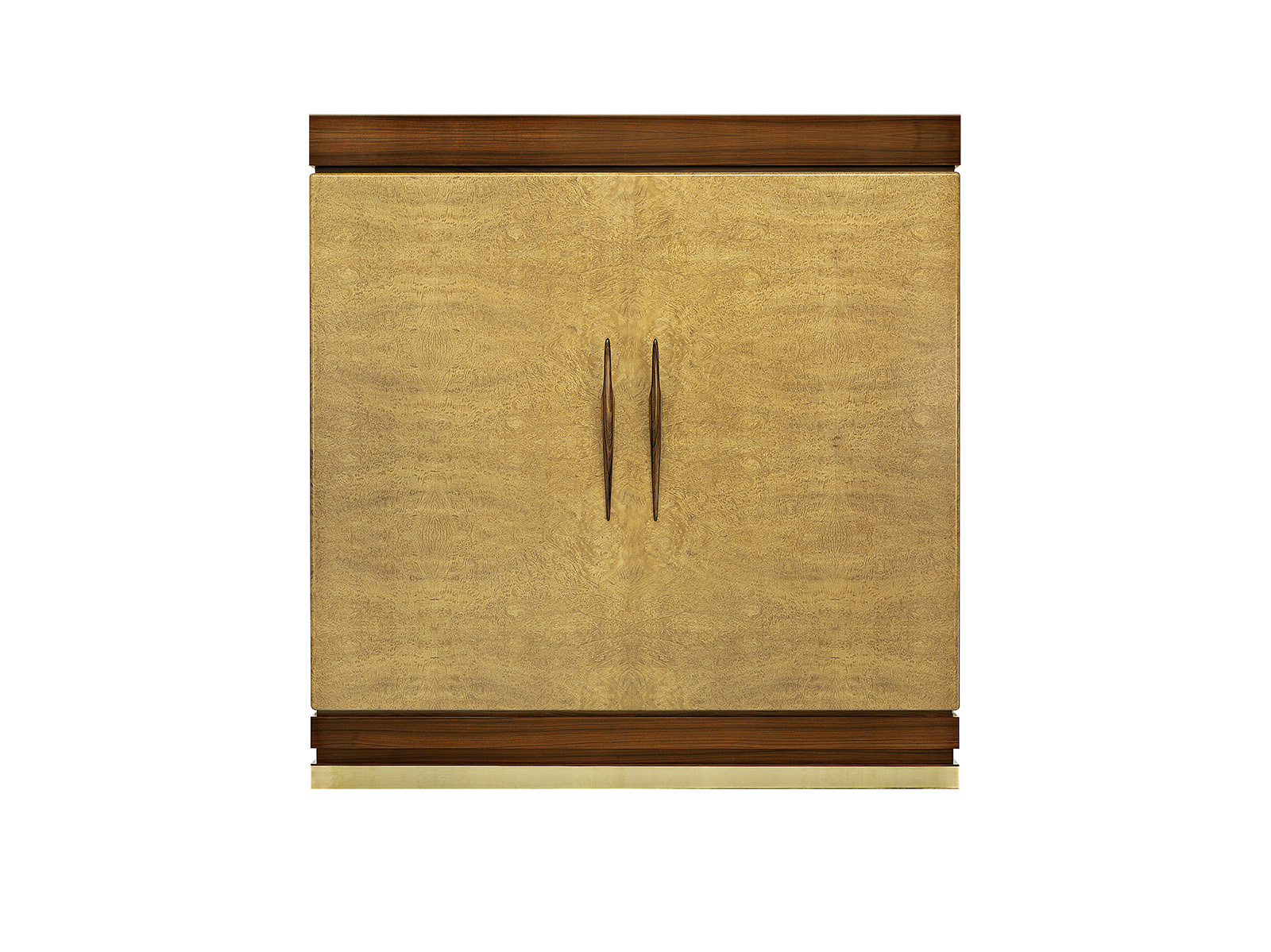
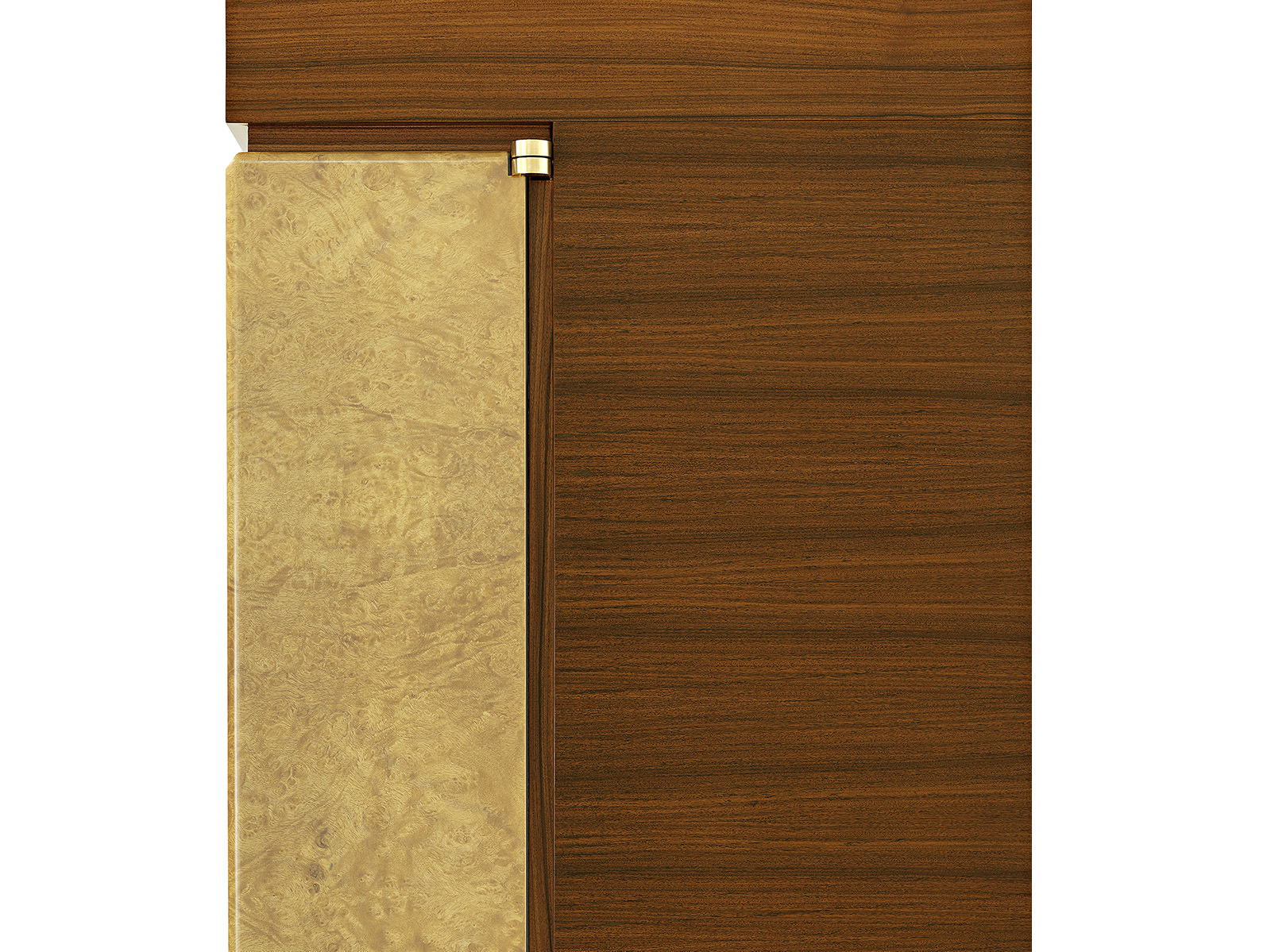
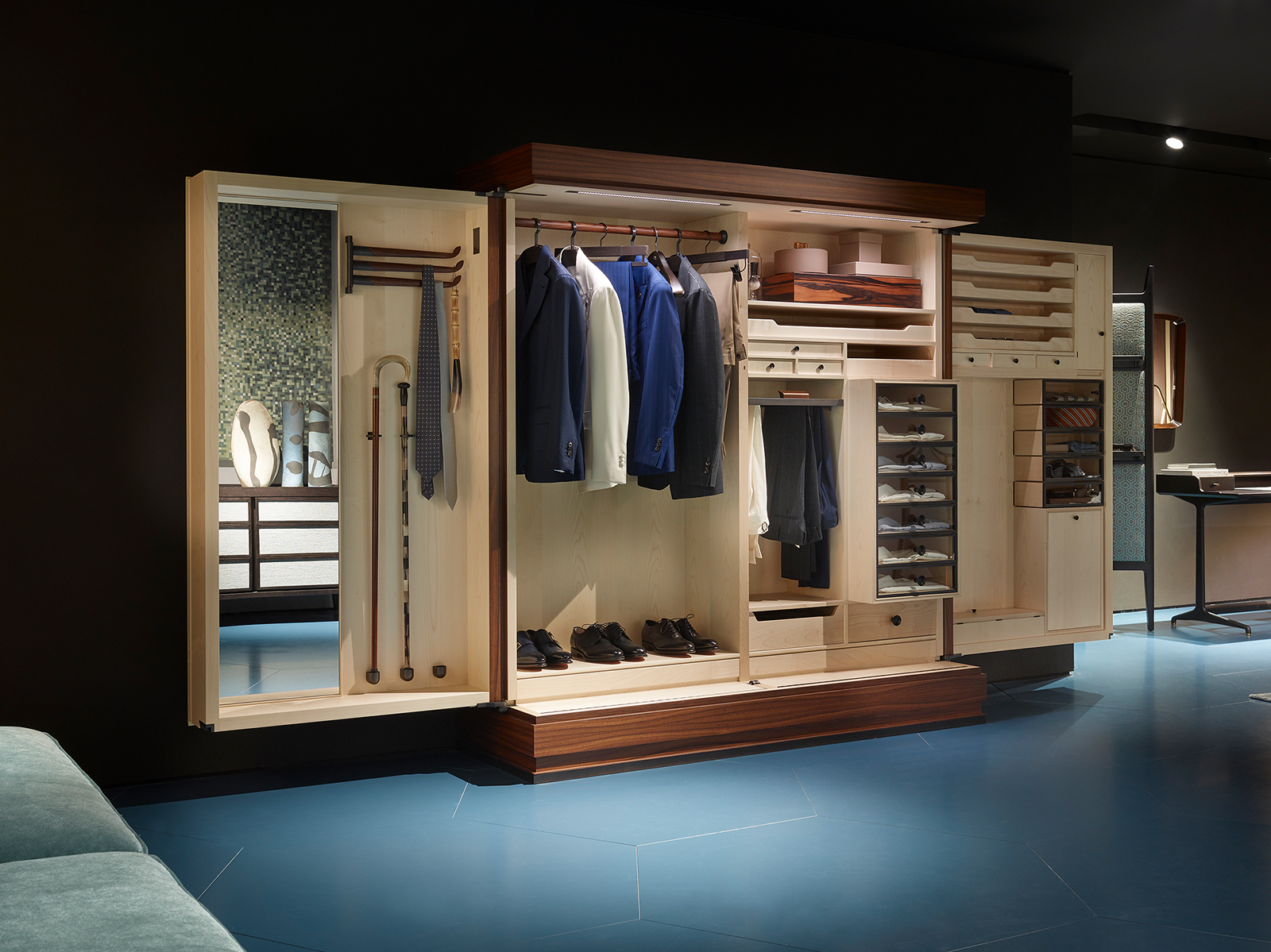
Wardrobe made in rosewood, internal in maple wood, handles in ebony and rosewood, internal drawer unit, metal parts in polished brass. doors in parchment.
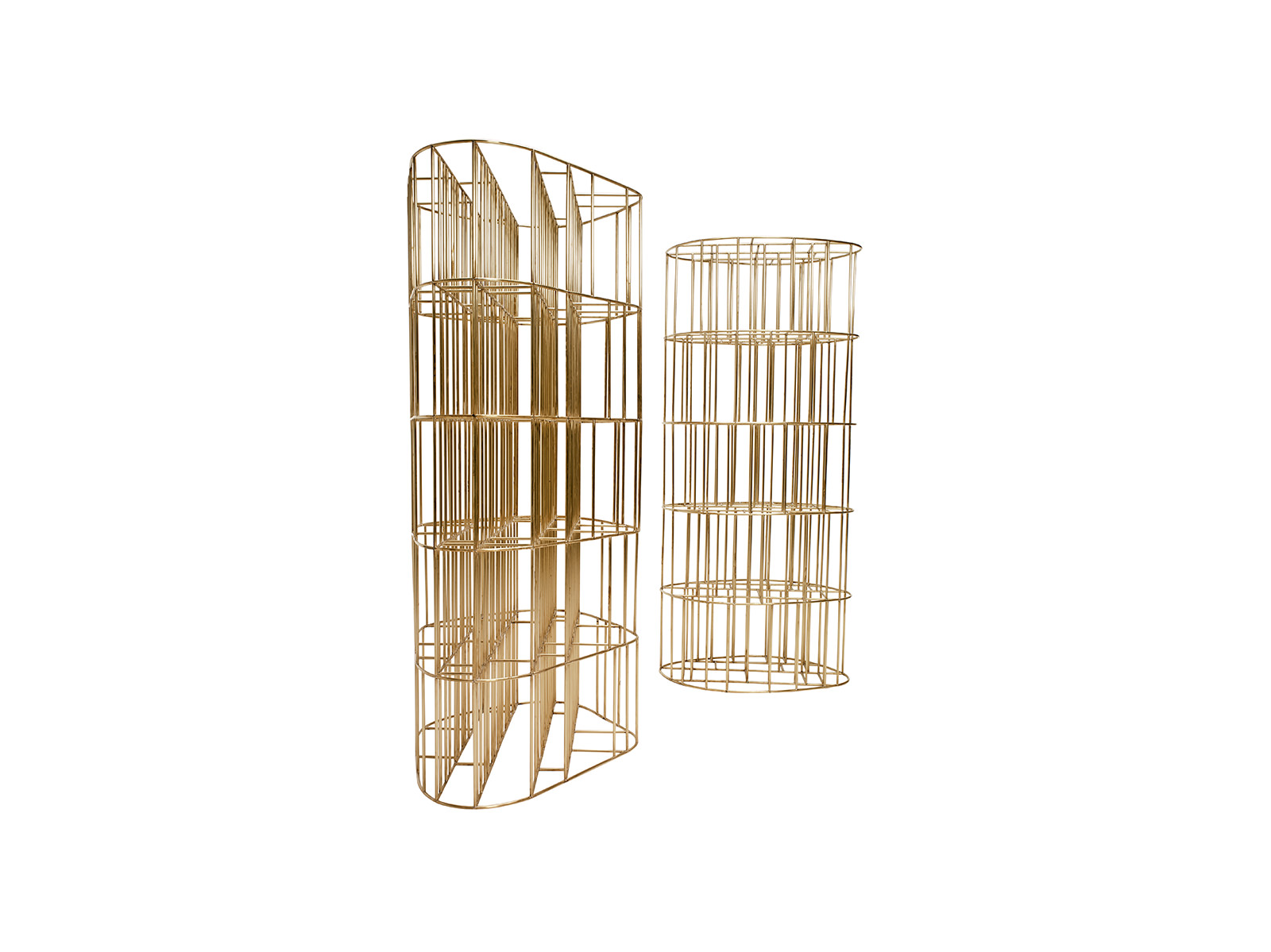
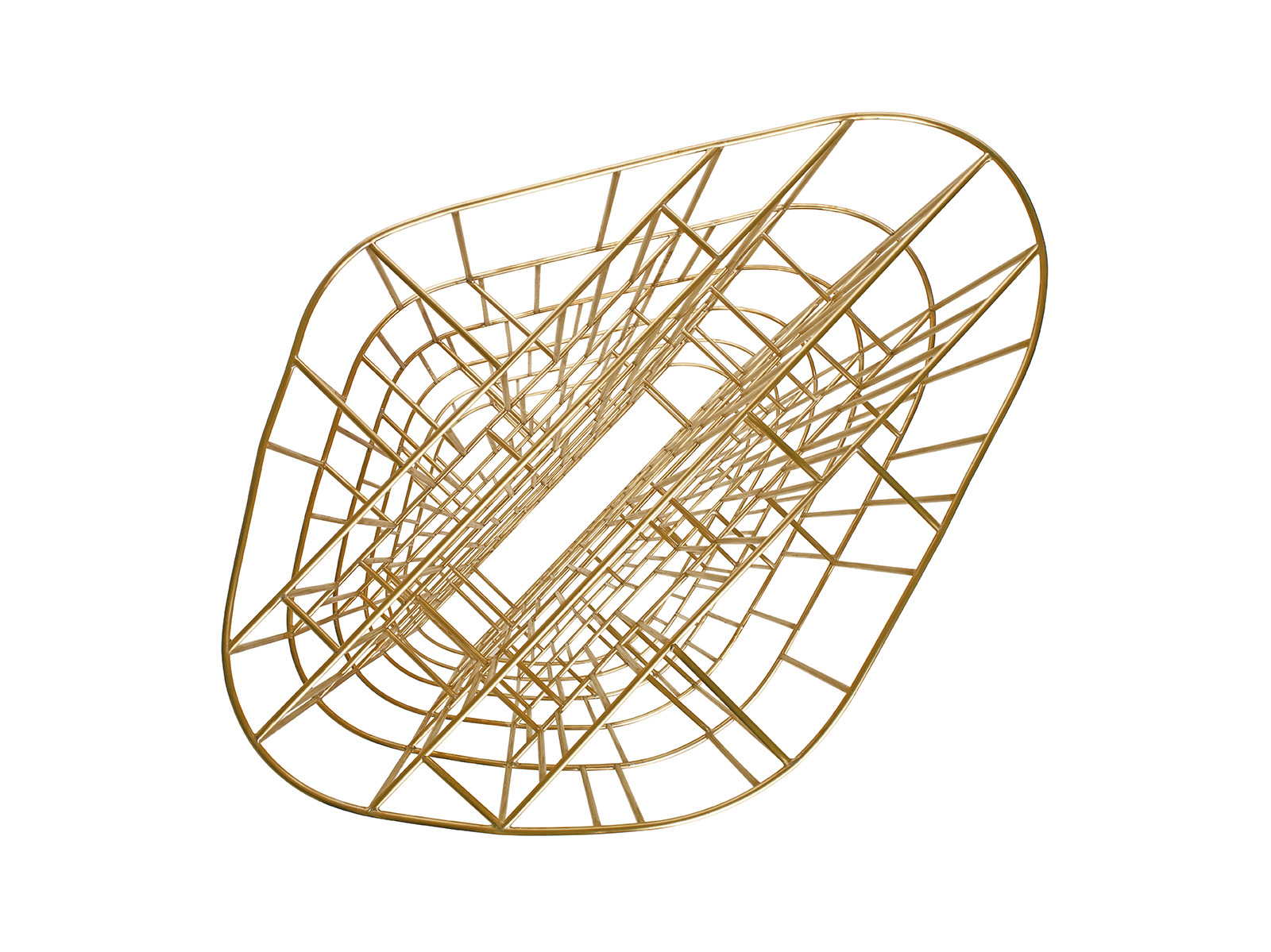
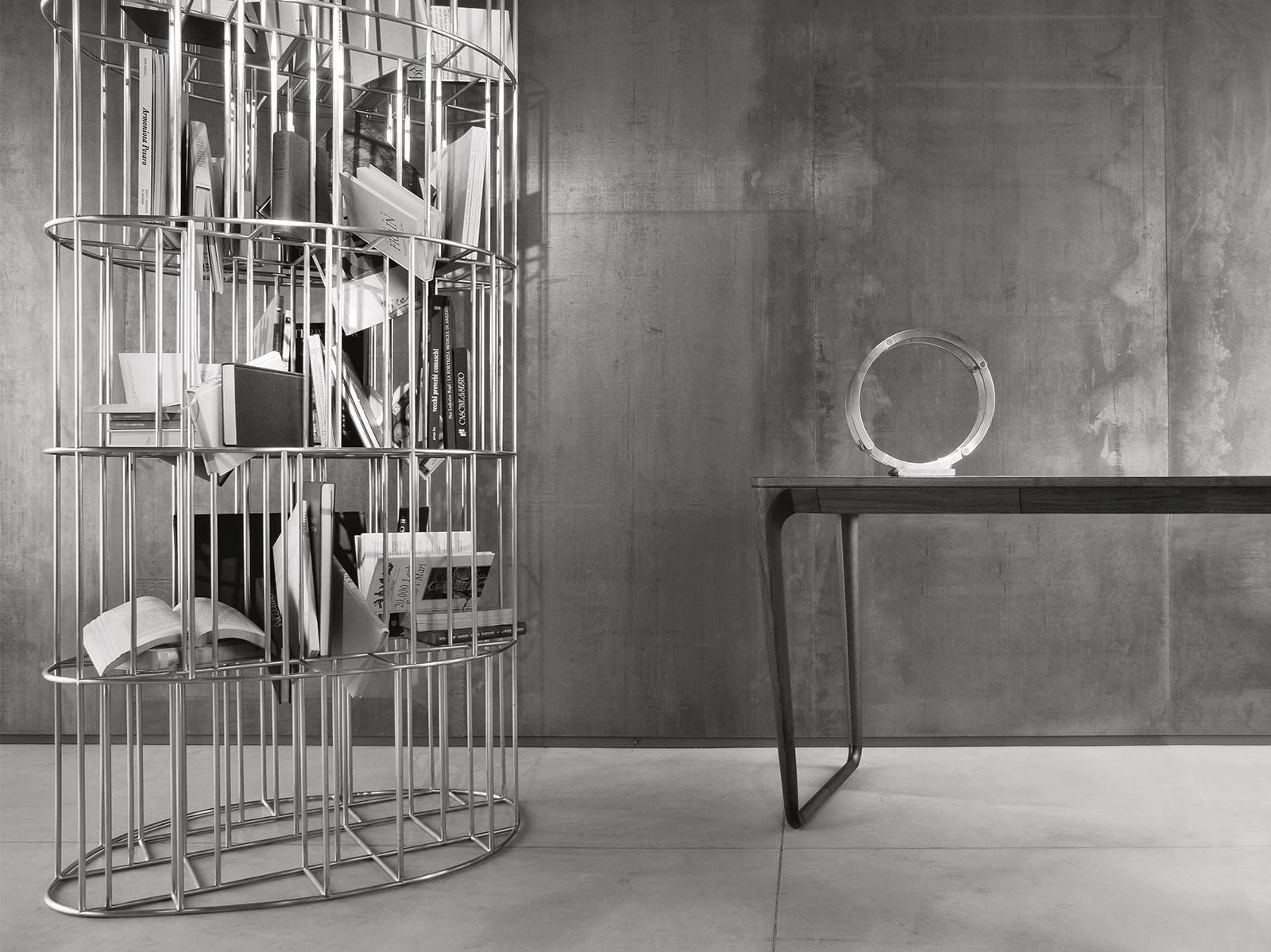
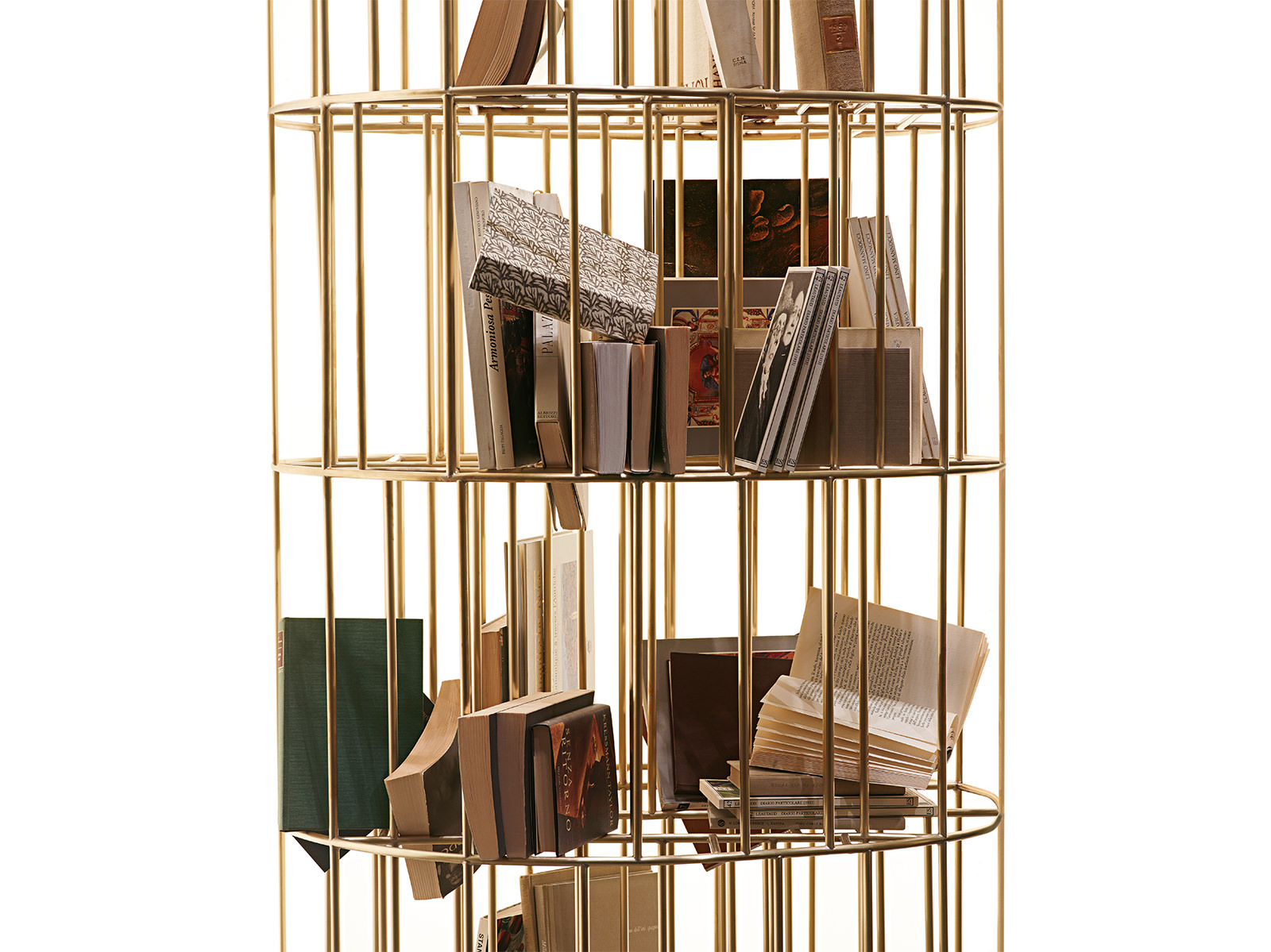
Bookcase made in natural brass rod Ø10 mm., completely welded and brushed by hand.
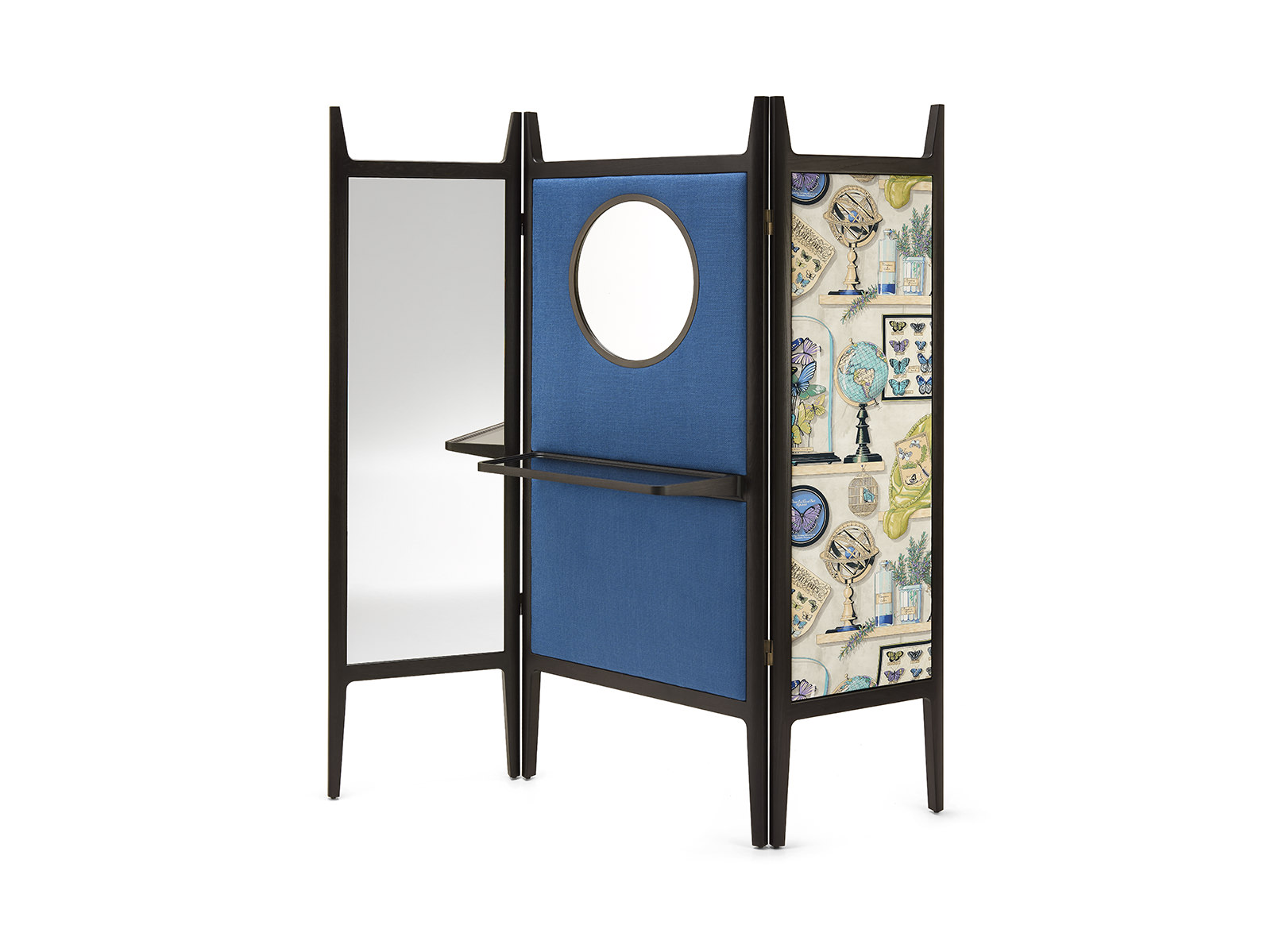
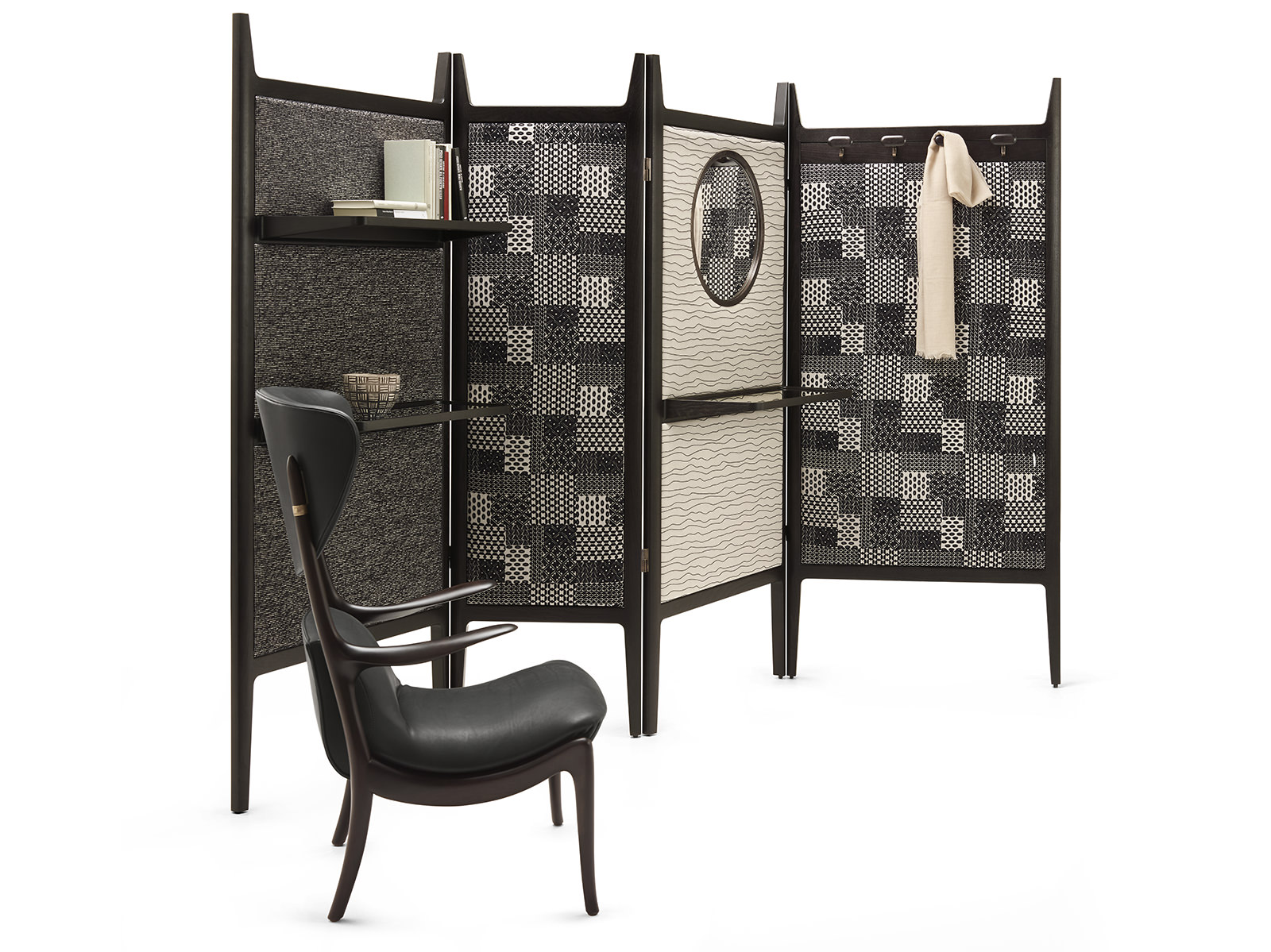
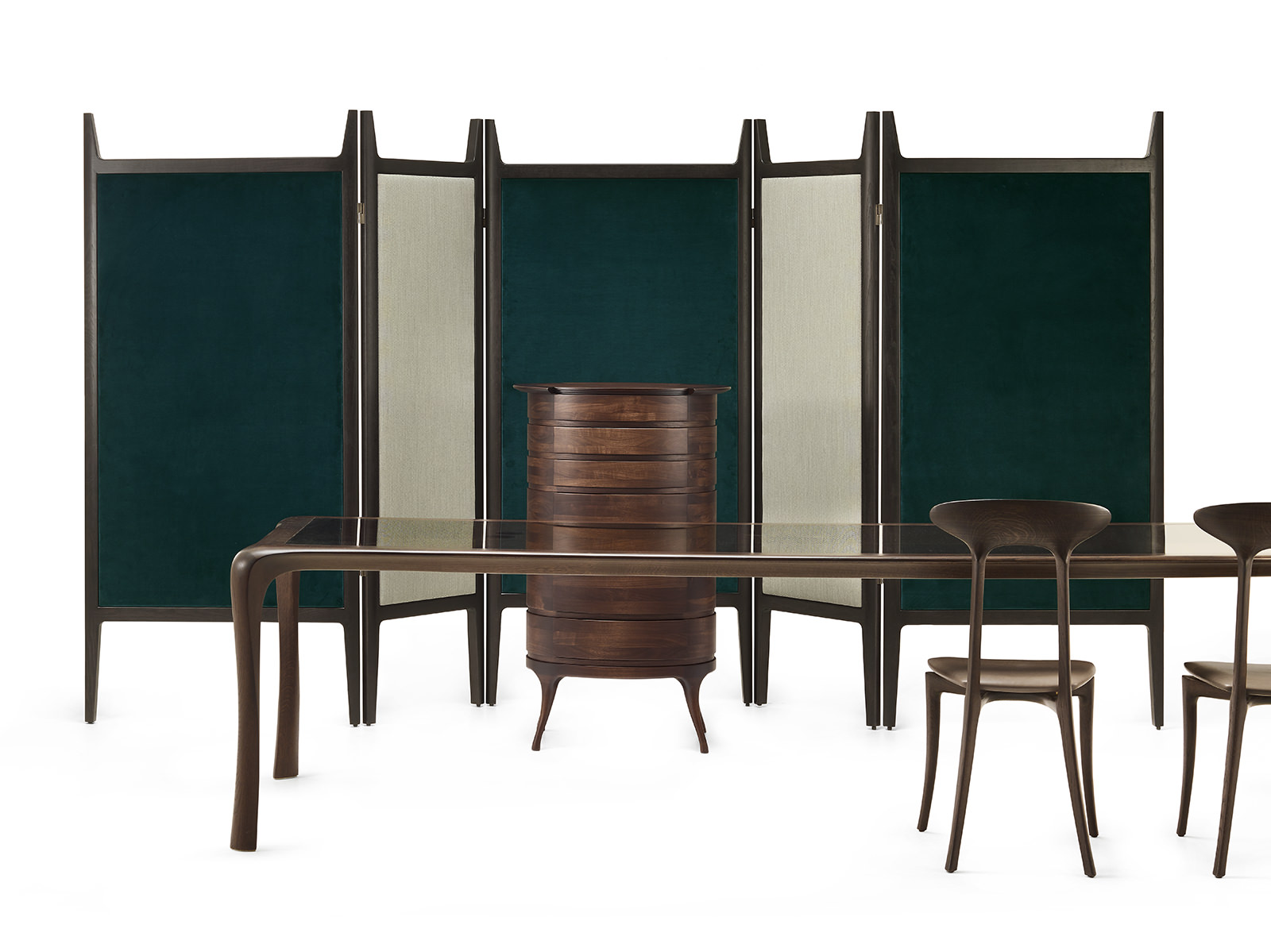
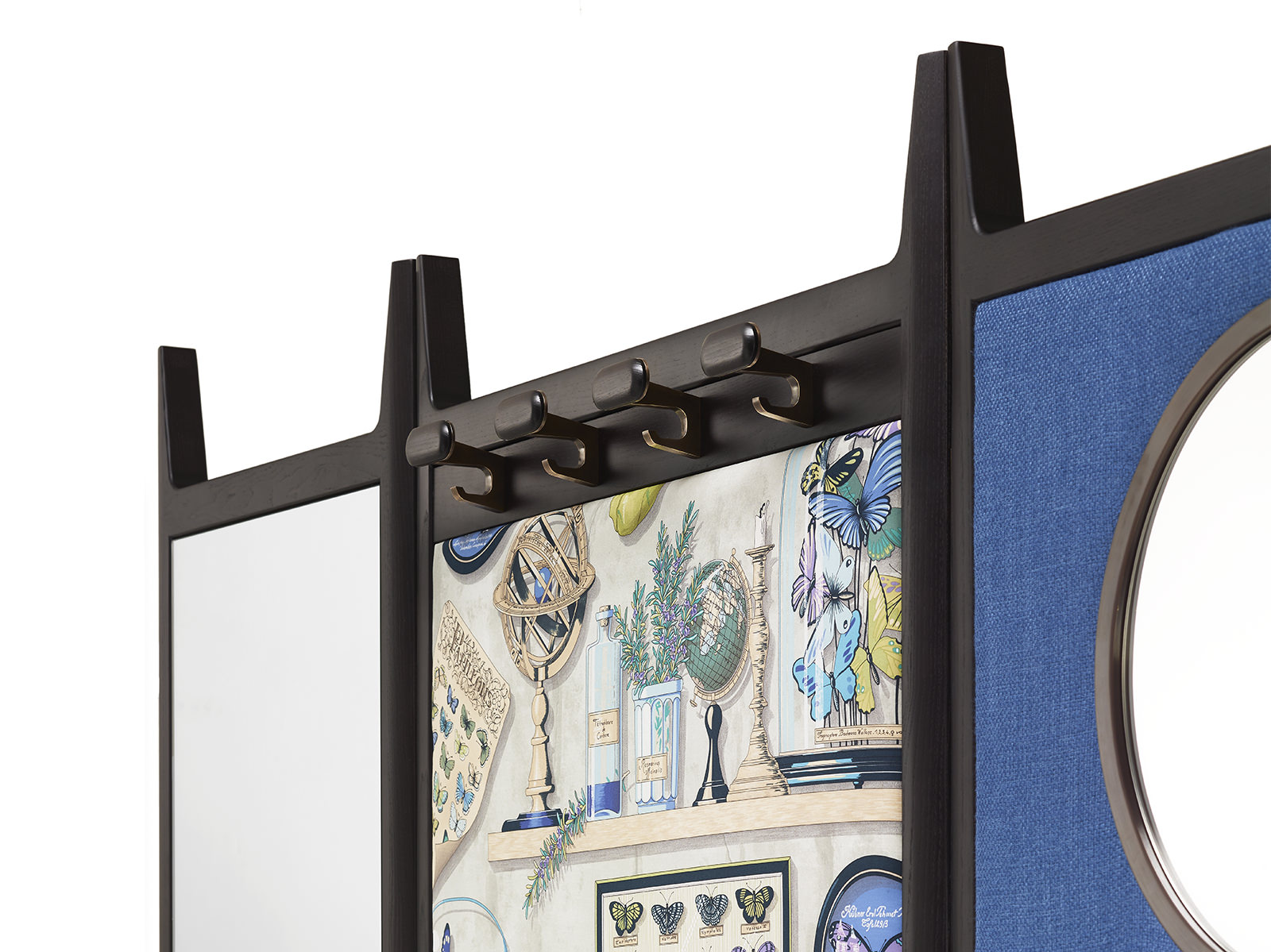
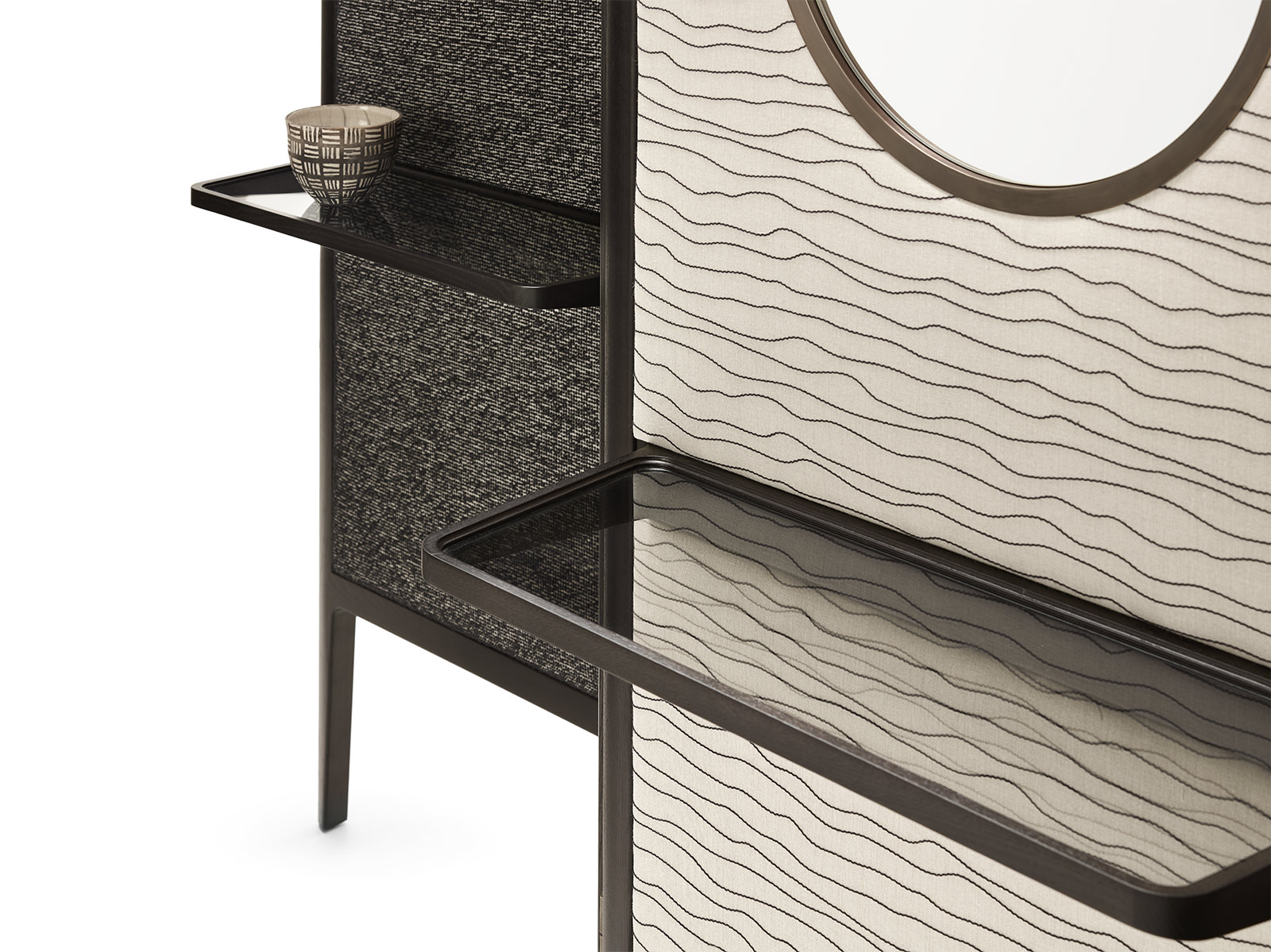
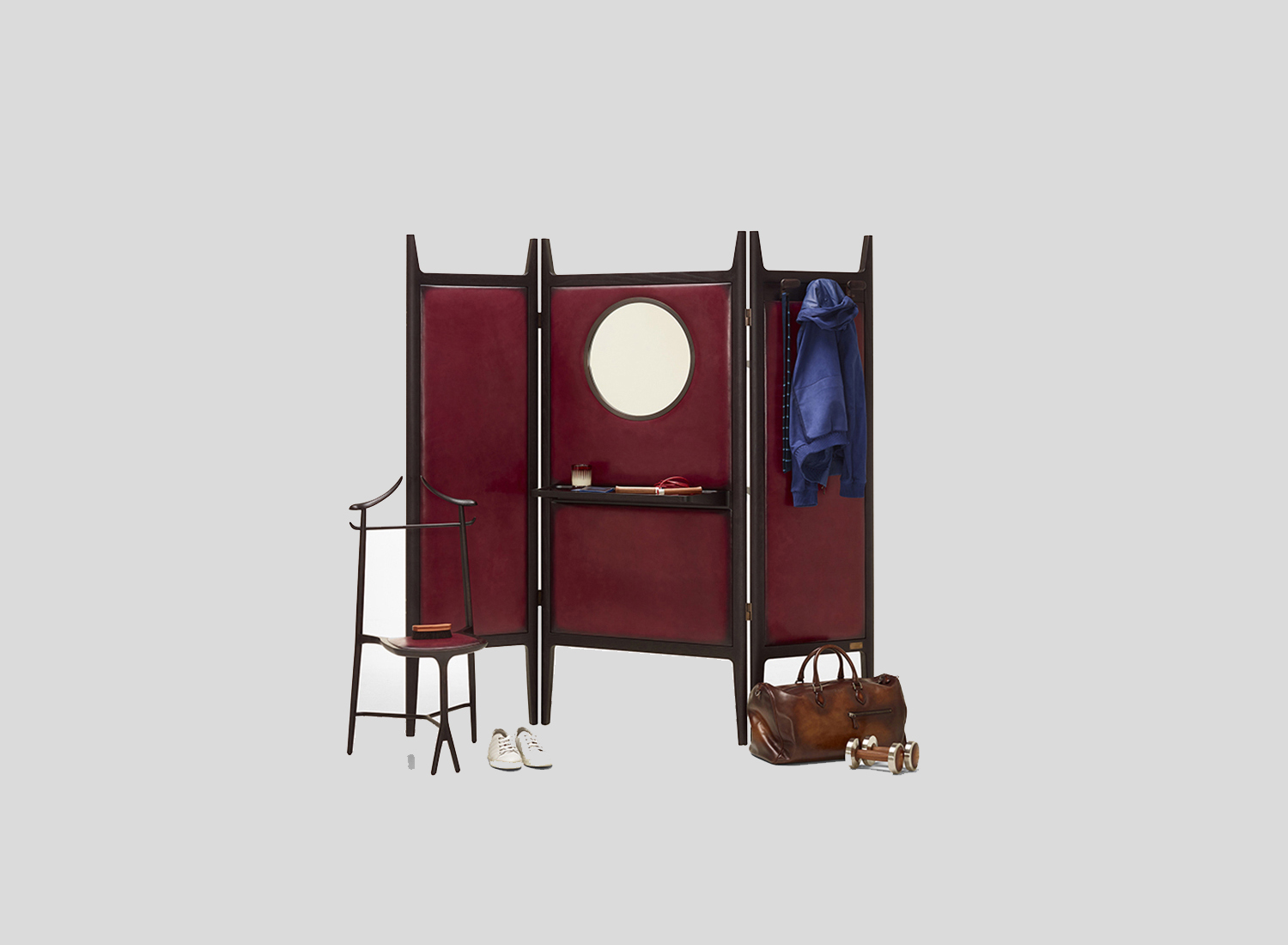
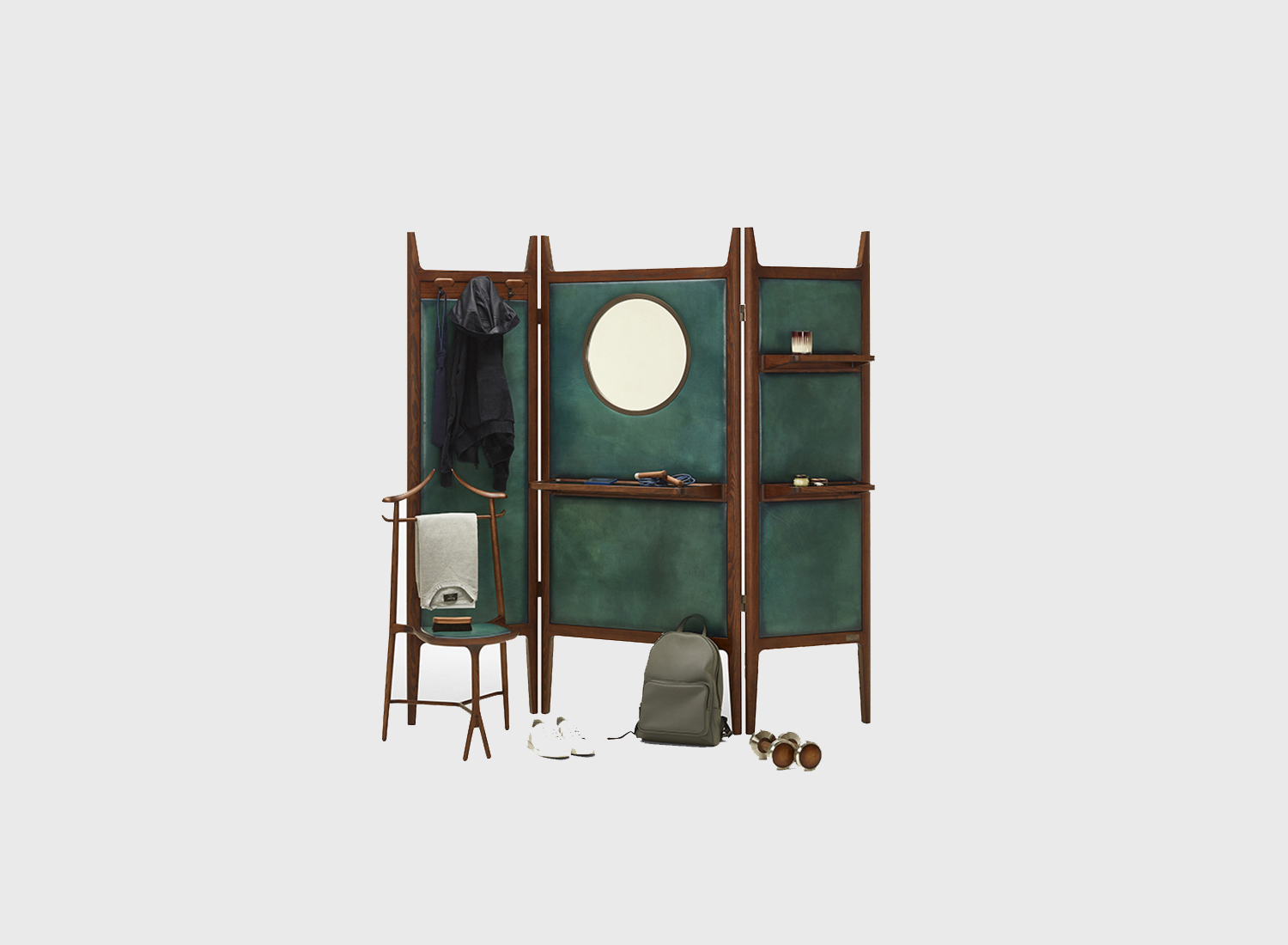
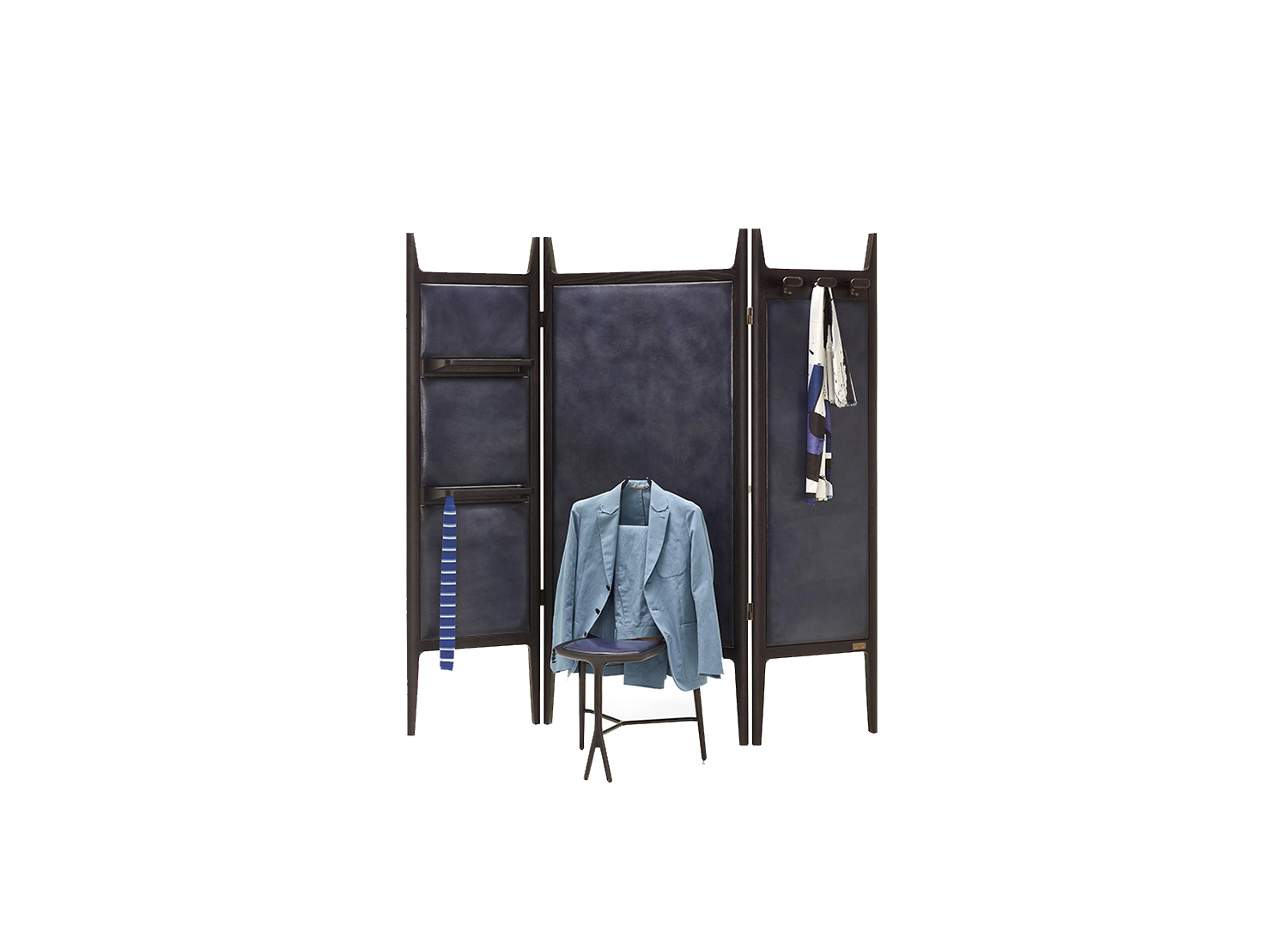
“Set” is a system of modular panels, which may be hung to a wall or used freestanding as a temporary or permanent partition in a residential or large commercial space. the panels are upholstered and mounted to ash-wood structures, hinged to each other, making the frame freestanding and variously shaped. technically, “ set ” is a variable-geometry piece of furniture.
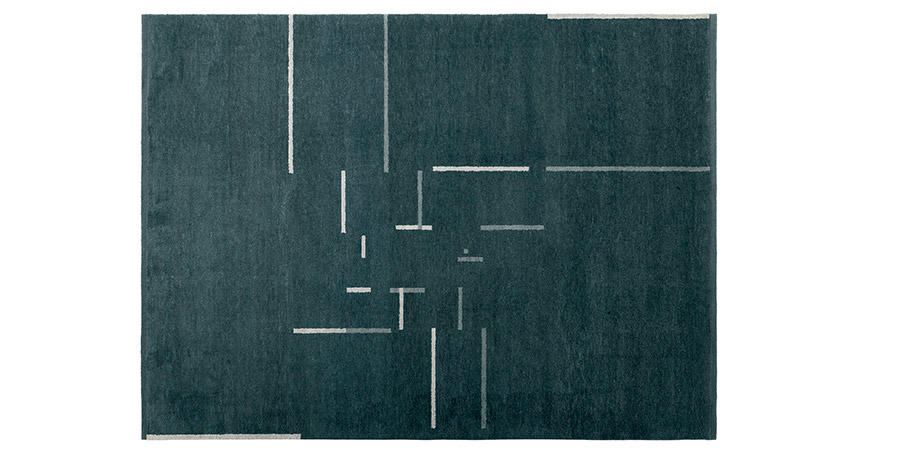
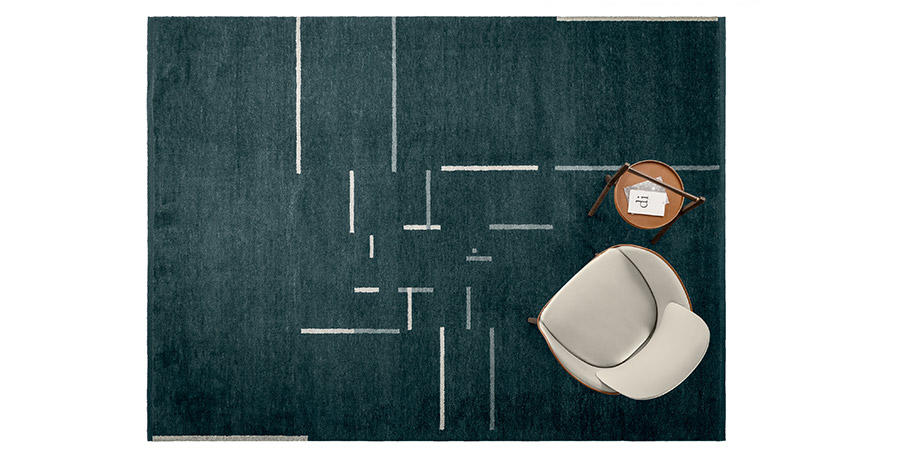

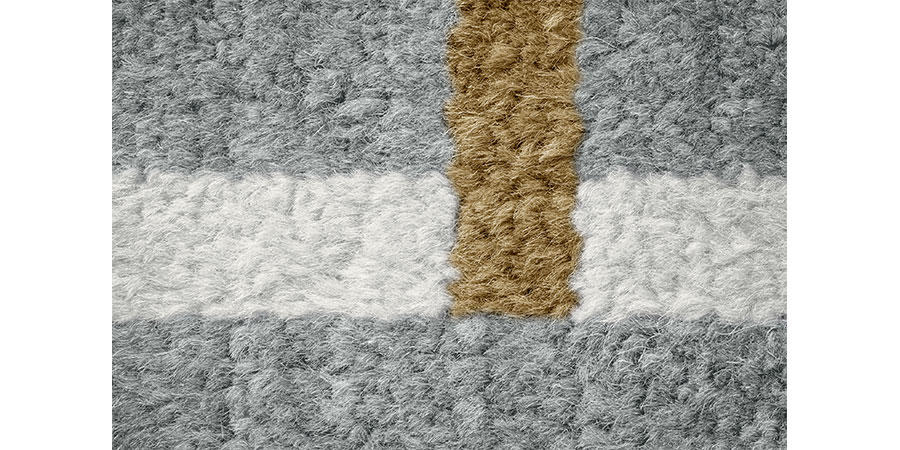
To mark the hundredth anniversary of the birth of Max Huber, Poltrona Frau pays homage to the famous Swiss artist and graphic designer with Billie and Dizzy, a collection of rugs based on drawings of two unproduced works taken from the archive and dating respectively to 1936 and 1947. The original designs have remained unchanged in terms of their proportions and the thickness of their lines and have simply been adapted to the dimensions of the rugs. The Dizzy rug is based on a design which stands out for its series of cadenced lines, its rhythm bringing to mind Dizzy Gillespie, one of the inventors of bebop and modern jazz. A tribute to a genre of music much loved by the artist and a passion that influenced his work. As well as his famous works for Esselunga, La Rinascente, Coin, Rai and Montecatini, during his career Max Huber carried out lots of projects connected with this form of music, such as “Ritmo” magazine in 1950 and “Jazztime” in 1952, the cover of jazz encyclopaedia “Messaggerie Musicali” in 1952, and the poster for the “Jazz Chiasso weeks” festival of 1985. Dizzy has a motif formed of small broken lines in two different colours positioned both horizontally and vertically. The strokes originate at the centre of the rug and form a radial effect stretching towards the external edge, gradually becoming longer and thinner. The design is based on a musical score and therefore suitable for being presented in different variants and dimensions. The rugs in the Dizzy collection come in two sizes: 200X300 cm and 250X350 cm, and four very stylish shades, two dark: Blue Green, Deep Red and two light: White Sand and Light Gray. The Dizzy rug is entirely handmade on wooden looms using the Persian knot technique and has a density of around 50,000 knots per m2 with a long pile. The selection of raw materials is essential in making the surface soft, resistant but also glossy. Only top-quality 100% natural carded and hand-spun wool is used. It is for this reason that the colours are not absorbed in a perfectly uniform way, giving the dyes unique degrees of intensity. Dizzy has a 4 cm-high edge produced using the Kilim technique and made from wool on the two shorter sides, in the same colour as the background of the rug. The collection is distinctive for the saddle-leather label hand-sewn on the back of the rugs and stamped with the Poltrona Frau logo. To keep the corners rigid, two strips of fabric are sewn onto the back of the rug and embroidered with Max Huber’s signature.

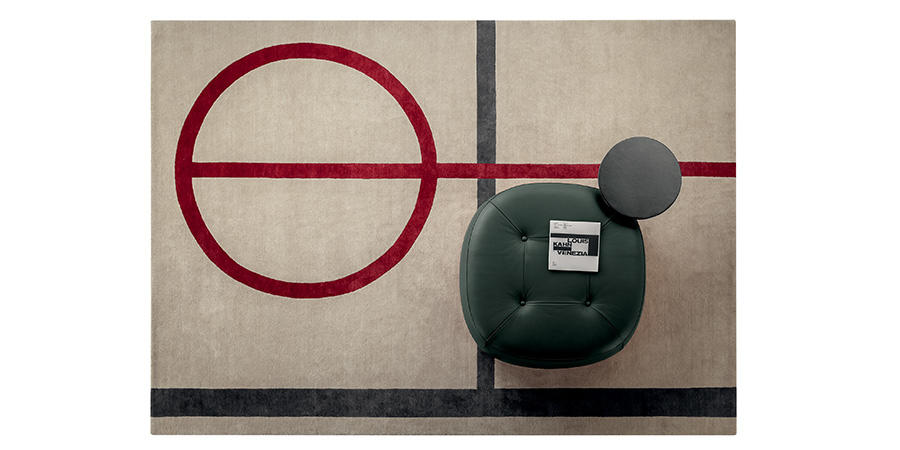
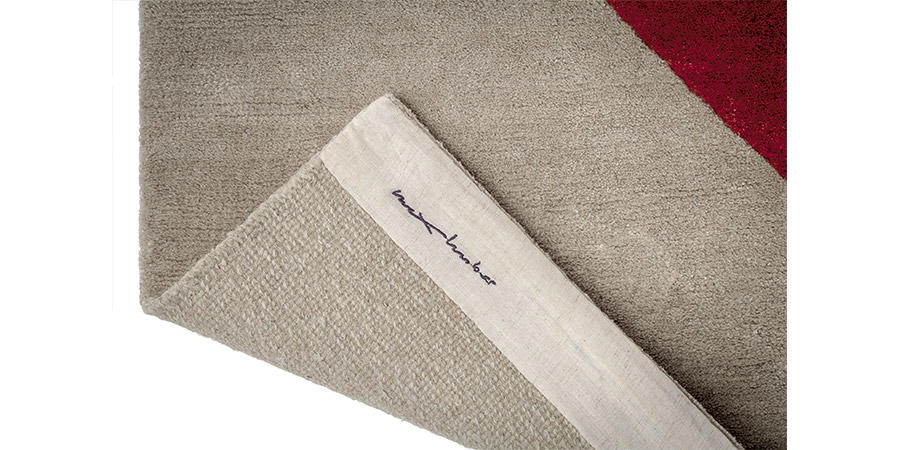
To mark the hundredth anniversary of the birth of Max Huber, Poltrona Frau pays homage to the famous Swiss artist and graphic designer with Billie and Dizzy, a collection of rugs based on drawings of two unproduced works taken from the archive and dating respectively to 1936 and 1947. The original designs have remained unchanged in terms of their proportions and the thickness of their lines and have simply been adapted to the dimensions of the rugs. The Billie rug is named after Billie Holiday, one of the most beautiful and soulful jazz voices of the early 20th century. A tribute to a genre of music much loved by the artist and a passion that influenced his work. As well as his famous works for Esselunga, La Rinascente, Coin, Rai and Montecatini, during his career Max Huber carried out lots of projects connected with this form of music, such as “Ritmo” magazine in 1950 and “Jazztime” in 1952, the cover of jazz encyclopaedia “Messaggerie Musicali” in 1952, and the poster for the “Jazz Chiasso weeks” festival of 1985. Billie has a rigorous, almost constructivist design that takes up most of the surface of the rug. The graphic is seemingly straightforward, consisting of a few elements highly calibrated in every single detail. Just two graphics on a neutral background: one an intense red, formed by a circle and a vertical line, and the other in anthracite coal grey and made up of two perpendicular lines. The result is a rug with strong formal balance and notable visual impact. In order to respect the original project and proportions, Billie is available in just one size, 250X350 cm, and one colour variant. It is refined with a hand-stitched woollen trim on all four sides. The Billie rug is entirely handmade on wooden looms using the Tibetan knot technique. Its knots are very dense, 70,000 per m2, to create a very compact and soft surface. It is 50% wool and 50% linen, carefully selected natural fibres that give the rug a velvety and slightly glossy appearance with chiaroscuro and different colour effects depending on your angle of perspective. The Billie rug is distinctive for the saddle-leather label hand-sewn on the back stamped with the Poltrona Frau logo. To keep the corners rigid, two strips of fabric are sewn onto the back of the rug and embroidered with Max Huber’s signature.
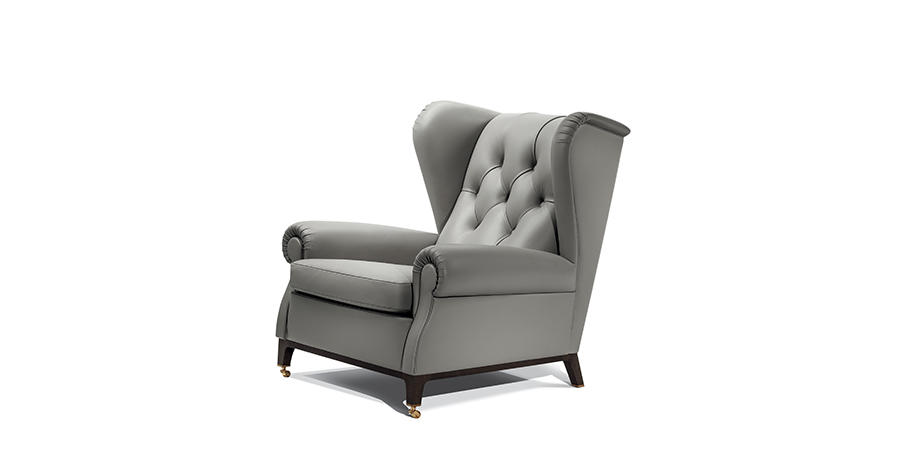
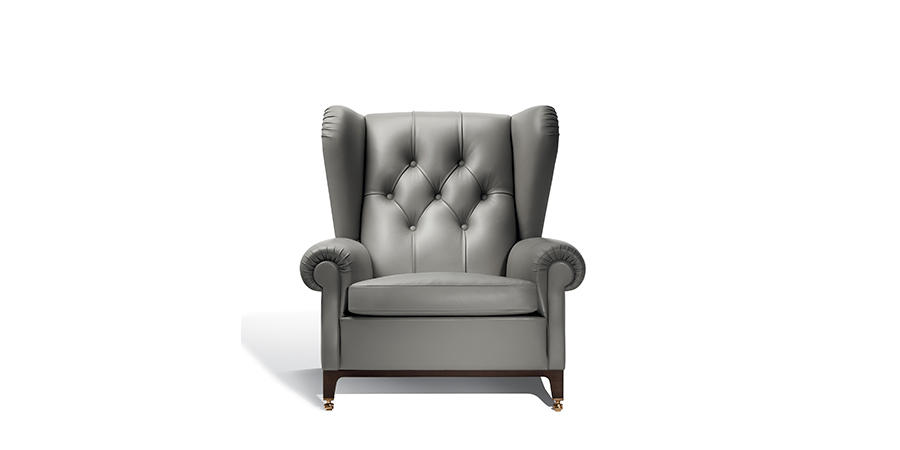
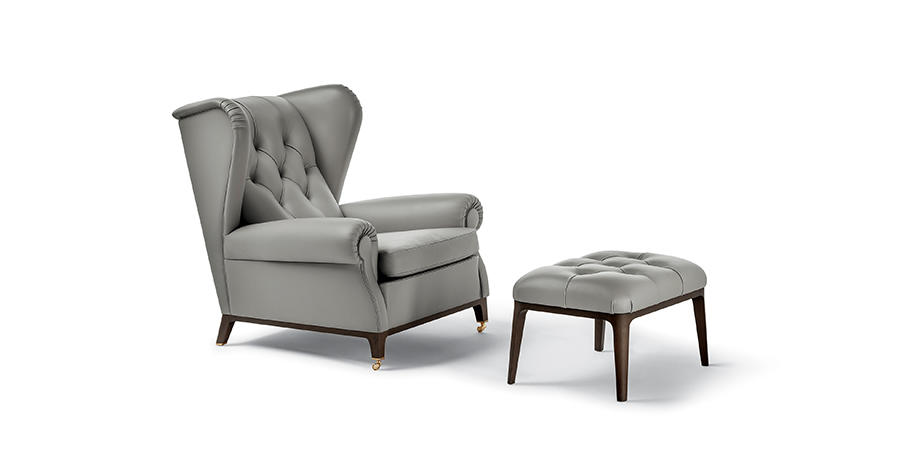
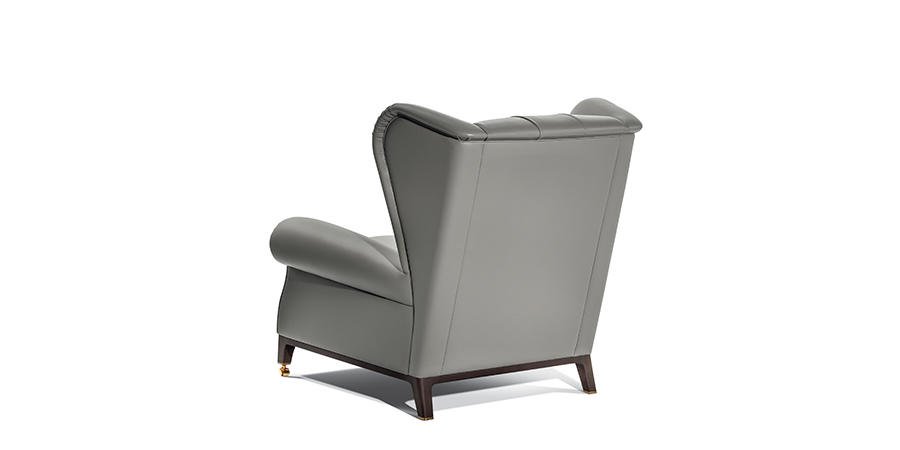
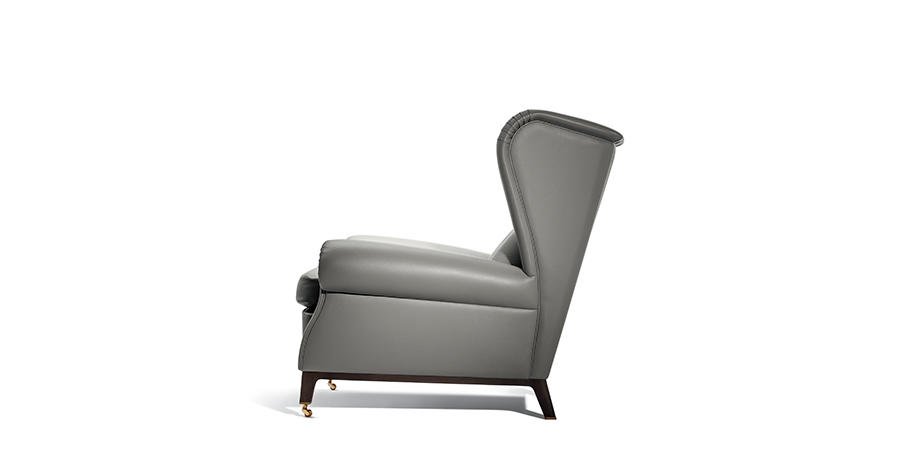
From 1919 to 2019: exactly one hundred years on, a new name, new dimensions and new proportions. Everything about the historic Poltrona Frau capitonné leather model has changed and yet everything remains the same: in collaboration with Roberto Lazzeroni, Poltrona Frau has successfully reinterpreted this timeless classic while maintaining its original spirit.It is no mean task revisiting an armchair which for a hundred years has embodied the very essence of Poltrona Frau: the 1919 was a classic from the get-go, destined to leave an indelible mark. Large, strong, padded by hand, completely upholstered in leather with complex craftsmanship that reaches its apex in the pleated swirls of the armrests and the famous capitonné motif of the backrest.Roberto Lazzeroni approached this design icon with the utmost respect and affection. He observed it from every angle, sitting on it, touching it, getting a feel for it. And he concluded that its proportions were no longer in keeping with the modern-day notion of comfort. The 2019 armchair therefore becomes a new version of the original which maintains all the features that made it famous perfectly intact. Intriguing, refined, comfortable, ready to face the next hundred years with the same elegant poise.The supporting structure of the 2019 armchair is made from solid seasoned beech. The seat, backrest and armrest spring system consists of hand-tied steel biconical springs attached to jute belts. The seat is padded with rubberised horsehair while the backrest and armrests are in hand-shaped vegetable horsehair. The seat cushion is in goose down with a stabilising insert in polyurethane foam. The upholstery is in Pelle Frau® leather with manual capitonné detailing that decorates the front of the backrest. The reverse of the armchair backrest is embellished with a leather trim. A frame with four feet in solid ash with a Moka stain decorates the bottom of the seat. The leg system is available with metal caps with a gold or gunmetal grey finish, or with metal caps at the back and swivel castors at the front. The 2019 armchair is also available in a version with rotating oval plate in solid ash and top in Testa di moro-coloured Saddle Extra leather, where you can put down an electronic device, a book or other small personal belongings

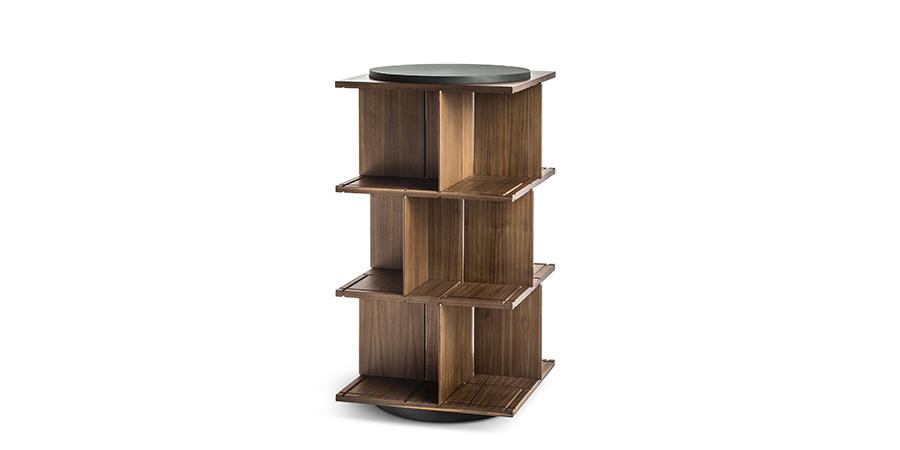
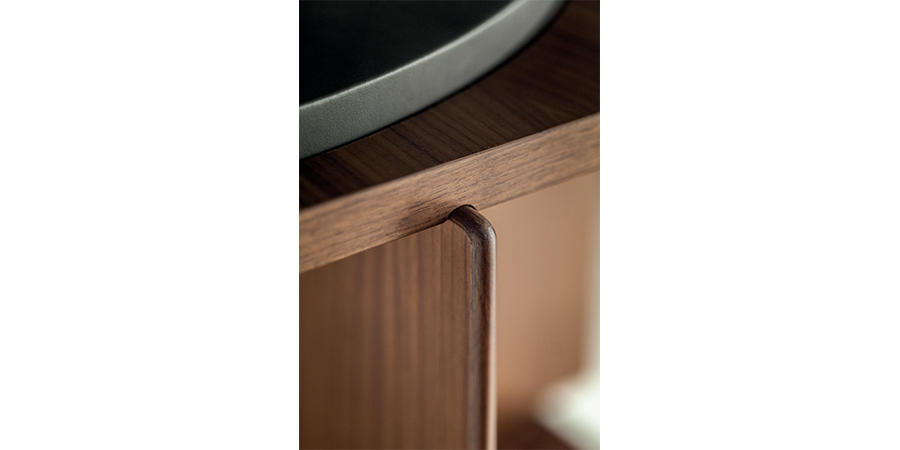
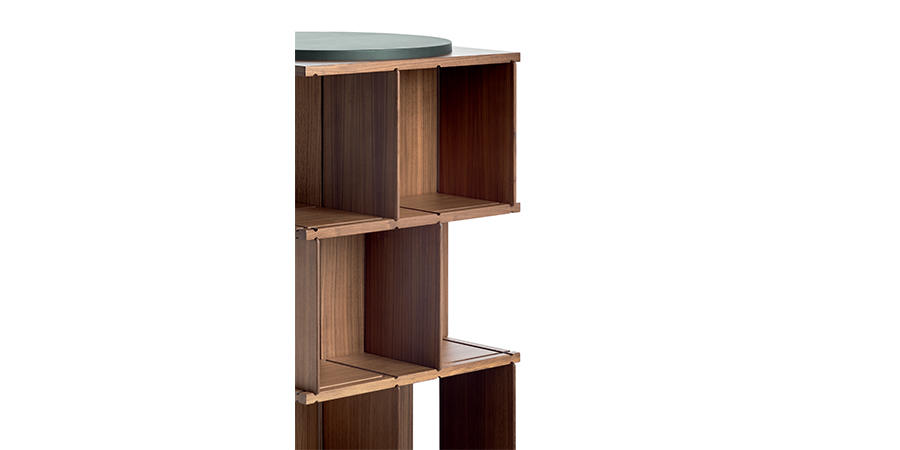
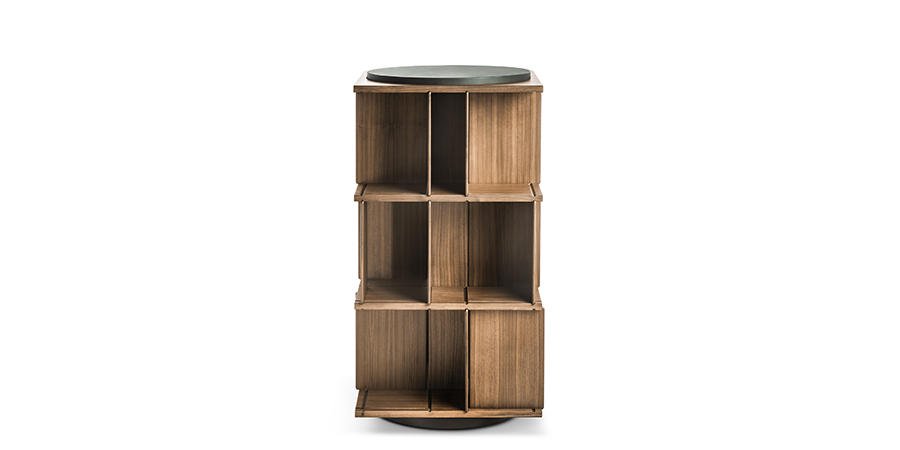
Created by the masterful architect and designer Gianfranco Frattini(1926-2004), one of the trailblazers of the golden era of Italian design, the Turner swivel bookcase first saw the light in 1963 as Modello 823. Inspired by the classic English freestanding bookcases, perfect for keeping your most treasured books close by at all times, the Turner swivel bookcase nonetheless boasts a cutting-edge design. The 3-level supporting structure rises vertically like a building, each floor furnished with grooves that act as rails and enable you to add or remove a series of dividing panels to create different combinations as you desire in an ever-changing game of solids and voids. Poltrona Frau is delighted to present the reissue, modernised in terms of its materials but developed with the utmost care and philological respect. Turner is a 123 cm tall and 65 cm wide free-standing swivel bookcase. It consists of an internal supporting structure in metal enclosed in a central column made with birch plywood panels with Canaletto walnut veneer. The same materials for the intermediate shelves, furnished with solid Canaletto walnut grooves to house the 21 dividing panels, 7 for each level. The latter have solid Canaletto walnut edges. A kit of 3 additional panels can be purchased separately to further enrich the bookcase. The top is in birch plywood covered with a double layer of Canaletto walnut refined in the lower part to act as a counterbalance. It is crowned with a circular rotating surface made from MDF and covered with precious Pelle Frau® SC leather or Saddle Executive leather. The circular base is made from black painted steel. The bookcase is completed by the Poltrona Frau logo and the signature of the architect, laser-engraved at the centre of the column under the top.